
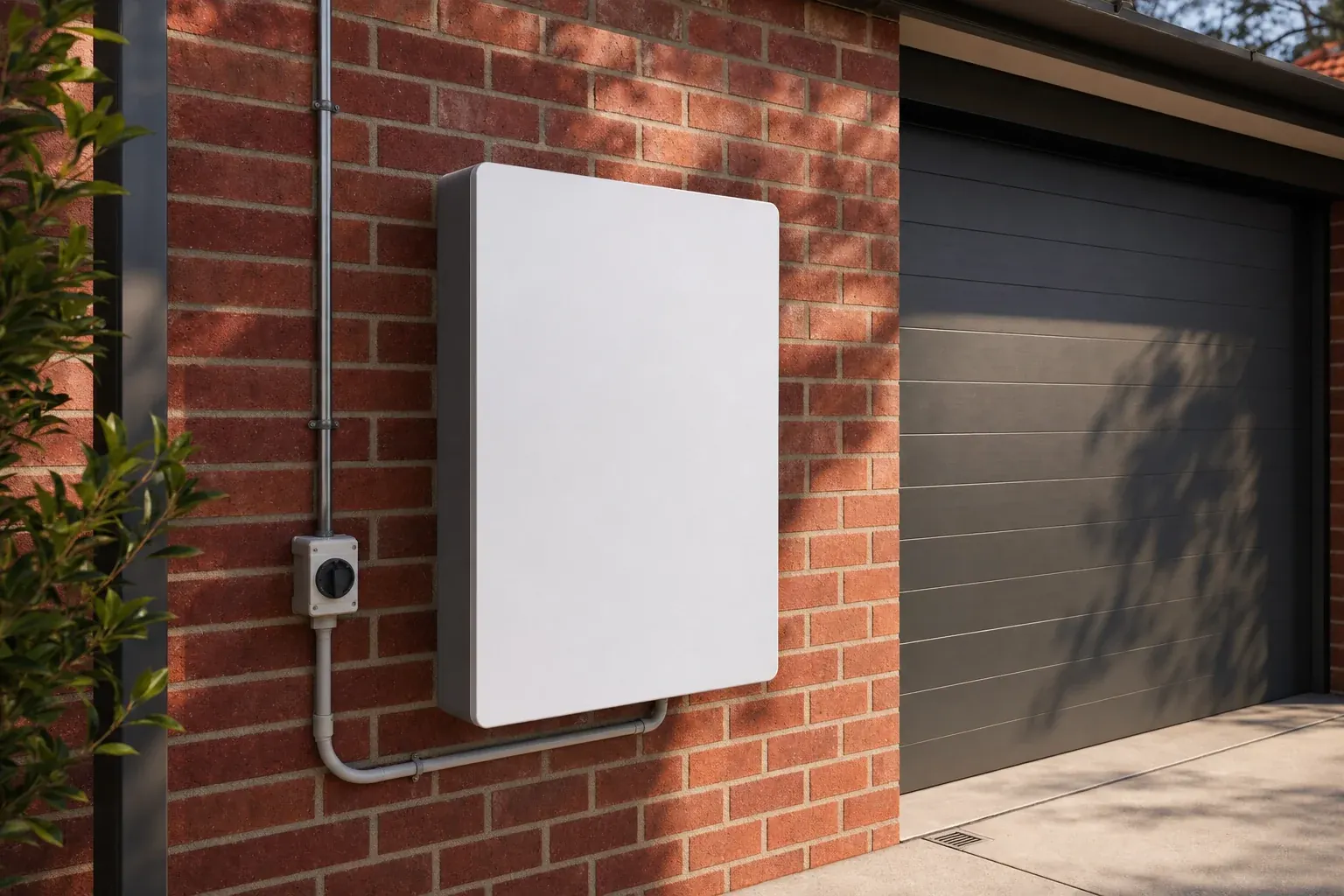
Solar Battery Storage in Melbourne
If your solar panels are running during the day while you are out, the energy you generate goes straight to the grid for a small feed-in credit. A solar battery changes that. Instead of exporting, you store that electricity and draw on it when you actually need it, in the evenings, on cloudy days, and during peak-rate periods.
Get your free quote
Tell us about your property and goals. We will size the right system.
Battery Storage
Battery Storage Retrofits for your Melbourne property
We fit battery storage to existing solar systems across Melbourne, residential and commercial. The job is matching the right battery chemistry, capacity, and inverter setup to how your household or business actually uses energy, not selling you the largest unit on the shelf.
This page explains how battery storage retrofits work, which battery types suit which situations, and what the installation process looks like from the first conversation to commissioning.
Why choose it
Why Melbourne homes choose Battery Storage

Use your own power at night
Store the surplus your panels make by day and run the evening peak on it, instead of buying it back at peak rates.
Works with your existing solar
Most solar inverters can take an AC-coupled battery, so you keep the system you already own and simply add storage.

Supply-only or full install
Have your own electrician? We can supply the battery. Prefer it handled? We design, install and commission it.
The full package
What's included, end to end

Design and sizing
- Free site and roof assessment
- System sized to your real usage
- Honest, brand-agnostic recommendation
- Clear written quote, no obligation
Supply and install
- Supply-only or full installation
- Licensed Melbourne installers
- Tidy cabling and commissioning
- Compliant grid-connection paperwork

Support and VPP
- Handover and app walkthrough
- VPP enrolment if you want it
- Warranty support when you need it
- A local team you can still call
At a glance
Battery Storage, compared
| Feature | LFP (Lithium Iron Phosphate) | NMC (Nickel Manganese Cobalt) |
|---|---|---|
| Thermal stability | High - lower fire risk at elevated temperatures | Moderate - more heat-sensitive |
| Cycle life | 3,000 to 6,000 cycles typical | 1,500 to 3,000 cycles typical |
| Depth of discharge | Up to 100% usable | Usually 80 to 90% usable |
| Energy density | Lower - larger physical footprint | Higher - more compact |
| Melbourne climate fit | Excellent - garage and outdoor installs | Good - best in temperature-controlled spaces |
| Warranty terms | 10-15 years standard | 8-12 years standard |
Chemistry comparison for residential solar battery selection. Figures are general industry ranges.
The difference
Not all installs are equal
Full Installation (Supply + Install)
- We source, deliver, and install the battery
- Inverter compatibility check and upgrade if needed
- Electrical work by our licensed team
- Grid connection notification to your distributor
- System commissioning and owner handover
- Single point of contact for warranty claims
Supply-Only
- We supply the battery and hardware
- You arrange installation with your own installer
- Suited to commercial sites with an existing contractor
- Compatible with any CEC-accredited installer
- We advise on compatible inverter requirements
- Battery warranty runs direct to Solar Batteries Melbourne
What Solar Battery Storage Actually Does
A solar battery captures your excess solar generation during the day and releases it in the evening, converting what would be a small feed-in export credit into real self-consumed electricity at your full import rate value.
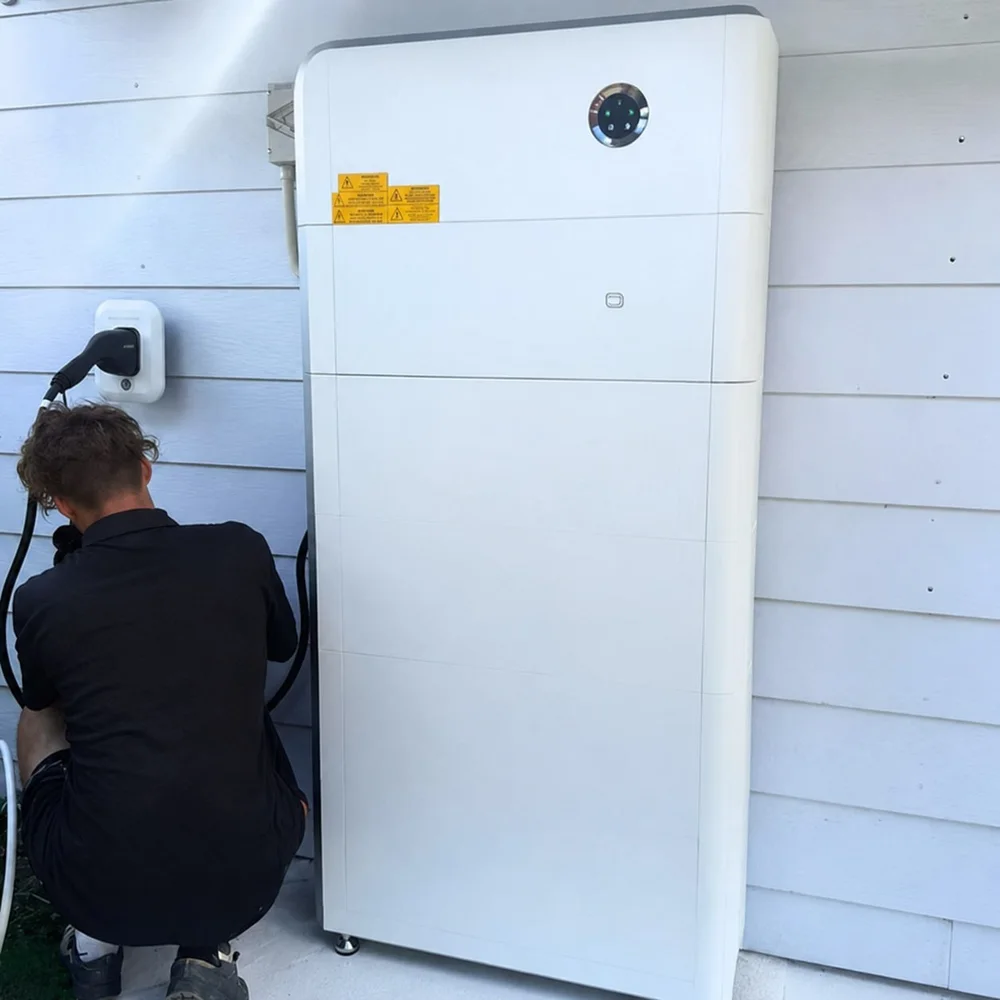
What is a solar battery storage retrofit?
A solar battery retrofit adds a rechargeable battery to an existing solar system. During the day, the battery stores surplus energy your panels generate. At night or on overcast days, the stored energy powers your home or business instead of drawing from the grid. Most residential retrofits use lithium iron phosphate (LFP) chemistry with 10 to 15 kWh usable capacity.
Your solar panels generate DC electricity. An inverter converts that to AC for your home. A battery retrofit sits alongside or integrates with that inverter to intercept surplus AC power before it reaches the export meter, convert it back to DC for storage, and then discharge it as AC when you need it. The round trip involves two conversion steps, which is why battery efficiency matters.
Modern lithium batteries achieve around 90 to 95 percent round-trip efficiency. Older lead-acid technology sits closer to 75 to 80 percent. That gap is meaningful over thousands of cycles across the system lifetime.
Self-Consumption vs Feed-In: Where the Value Comes From
The financial case for battery storage depends on the spread between your import rate and your feed-in tariff. Melbourne households typically pay significantly more to import electricity than they receive as a feed-in credit for exports. A battery lets you use stored solar energy at the higher import rate value rather than exporting it at the lower feed-in rate. The wider that spread, the more sense battery storage makes for your situation.
Solar Battery Storage for Melbourne Homes and Businesses
Melbourne's time-of-use electricity tariffs charge different rates across the day, which makes battery storage more effective here than on flat-rate tariffs because stored solar can cover your highest-rate peak periods.
Melbourne's energy market has specific features that shape how a battery retrofit performs. Victoria's time-of-use tariffs charge more for electricity in the morning and evening peaks. A battery charged by midday solar can cover much of that peak demand at home, which changes the numbers compared to a flat-rate tariff. If you have not reviewed your tariff recently, that is often the first conversation to have.
Residential Battery Retrofits
For a typical Melbourne household with a 6 to 10 kW solar system, a single battery module of 10 to 15 kWh usable capacity covers a large portion of evening demand. Homes with higher consumption, households that run air conditioning heavily in summer, or properties with EV charging will often benefit from a larger system or a modular battery that can be expanded later.
Commercial Battery Retrofits
Small and medium businesses with existing solar benefit from battery storage differently to households. Demand charges, which are based on the peak draw in a billing period rather than total consumption, can represent a significant portion of a commercial electricity bill. A well-configured battery can shave those demand peaks by discharging during the highest-draw intervals of the day. See our dedicated commercial battery storage page for larger-scale applications.
Rebate eligibility for Melbourne battery retrofits
The federal Cheaper Home Batteries Program (running since 1 July 2025) can reduce the upfront cost of an eligible battery at common residential capacities - indicative for 2026. Since 1 May 2026, the STC rate tapers for usable capacity above 14 kWh. On-grid batteries must be VPP-capable at install to qualify. See our rebate eligibility guide for the full picture, or we confirm exactly what applies to your system in your free quote.
Choosing the Right Battery Size for Your Melbourne Home
Battery sizing starts with your solar surplus and your evening demand, and getting both inputs right is the difference between a battery that delivers meaningful self-consumption and one that never fully charges.
Battery sizing starts with your solar generation profile and your actual consumption pattern. Oversizing a battery means you pay for capacity that does not charge on most days. Undersizing means the battery fills and exports before your evening demand arrives. Neither outcome is good.
- 1
Analyse your generation data
We pull the generation curve from your existing inverter. Surplus after household base load is the charging window available to the battery.
- 2
Map your consumption profile
Smart meter data (available from your retailer or via the AEMO consumer portal) shows when your household draws power across the day and week.
- 3
Calculate the usable capacity sweet spot
The target capacity equals the surplus generation you want to capture, accounting for the battery's round-trip efficiency loss and any time-of-use peak windows.
- 4
Check expandability
If your consumption will grow, say from an EV or adding another household member, a modular battery lets you add capacity later without replacing the inverter.
- 5
Confirm the inverter compatibility
Retrofit batteries need a compatible inverter, either an AC-coupled setup or a hybrid inverter that replaces your existing unit. We assess this in the site inspection.
A common sizing mistake is anchoring on the battery's nominal capacity rather than usable capacity. Nominal capacity is the total energy stored at full charge. Usable capacity is what you can actually draw from it after accounting for depth of discharge limits. LFP batteries typically allow 90 to 100 percent depth of discharge, so a 13.5 kWh nominal battery delivers close to 13 kWh usable. Older NMC batteries often limited depth of discharge to 80 to 90 percent.
Battery Chemistry: LFP vs NMC for Melbourne Conditions
Lithium iron phosphate (LFP) chemistry now dominates the Australian residential battery market and outperforms older NMC types on cycle life, thermal stability, and usable capacity in Melbourne's variable climate.
Two lithium chemistries dominate the residential market in Australia. Understanding the difference helps you choose a battery that suits your installation location, usage pattern, and long-term goals.
| Feature | LFP (Lithium Iron Phosphate) | NMC (Nickel Manganese Cobalt) |
|---|---|---|
| Thermal stability | High - lower fire risk at elevated temperatures | Moderate - more heat-sensitive |
| Cycle life | 3,000 to 6,000 cycles typical | 1,500 to 3,000 cycles typical |
| Depth of discharge | Up to 100% usable | Usually 80 to 90% usable |
| Energy density | Lower - larger physical footprint | Higher - more compact |
| Melbourne climate fit | Excellent - garage and outdoor installs | Good - best in temperature-controlled spaces |
| Warranty terms | 10-15 years standard | 8-12 years standard |
Chemistry comparison for residential solar battery selection. Figures are general industry ranges.
For Melbourne's variable climate, including hot summers where garage temperatures can reach 40 degrees Celsius, LFP's thermal stability is a practical advantage. Most of the leading residential batteries available in Australia now use LFP chemistry, including the Tesla Powerwall 3, Sigenergy SigenStor, and Sungrow SBR series.
We size the system to your home or business, not our margin. That means some customers walk away with a smaller battery than they came in expecting, and that is a good outcome for them.
Supply-Only vs Full Installation: What We Offer
We offer both supply-only and full installation for battery storage retrofits, so commercial operators with existing electrical contractors and residential homeowners wanting a complete managed service both get the right level of support.
Not every customer needs the same level of service. We offer two paths for battery storage retrofits, depending on whether you already have an installer or want us to manage the whole job.
Full Installation (Supply + Install)
- We source, deliver, and install the battery
- Inverter compatibility check and upgrade if needed
- Electrical work by our licensed team
- Grid connection notification to your distributor
- System commissioning and owner handover
- Single point of contact for warranty claims
Supply-Only
- We supply the battery and hardware
- You arrange installation with your own installer
- Suited to commercial sites with an existing contractor
- Compatible with any CEC-accredited installer
- We advise on compatible inverter requirements
- Battery warranty runs direct to Solar Batteries Melbourne
Who supply-only suits
Commercial operators who already have a site electrician on retainer, body corporates managing their own contractors, and property developers often prefer supply-only. We supply the equipment, you manage the trade. For residential customers, full installation is the more straightforward path.
The Battery Retrofit Installation Process
A residential battery storage retrofit is completed in a single day in most cases, from equipment mounting and electrical connection through to system commissioning and monitoring setup.
A battery retrofit is a relatively contained electrical job compared to a full solar install. Most residential retrofits are completed in one day. Here is what the process looks like from the first call to your system going live.
- 1
Free quote and site assessment
We review your inverter specs, switchboard configuration, and available wall space. For remote sites, we can often assess from photos and generation data before the site visit.
- 2
System design
We determine battery capacity, inverter compatibility, and AC versus DC coupling configuration. You receive a written system design with the recommended equipment and why.
- 3
Grid connection paperwork
Battery systems above certain thresholds require a grid connection application to your local distributor (Ausnet, Jemena, CitiPower, Powercor, or United Energy). We handle this.
- 4
Installation day
Our team mounts the battery, wires it to the inverter and switchboard, installs the gateway or monitoring unit, and tests the charge and discharge cycle.
- 5
Commissioning and handover
We commission the system, walk you through the monitoring app, and confirm everything is operating within spec. You leave knowing how to read your system's performance.
For AC-coupled retrofits onto existing string inverters, no inverter replacement is needed. For DC-coupled systems, we often replace the string inverter with a hybrid inverter that connects the battery on the DC bus, which improves round-trip efficiency. We will explain which path suits your existing system during the quote.
What to Expect on Solar Battery Install Day in Melbourne
On installation day, a two-person team typically completes the mounting, wiring, commissioning, and handover in six to eight hours, with the battery operational and monitoring active before they leave.
Knowing what the install day looks like in practice helps you plan. Here is a typical sequence for a residential battery retrofit in Melbourne.
- 1
Morning arrival and setup (8:00 to 9:00)
The team arrives with the battery unit, tools, and all required hardware. They confirm the wall space and switchboard access are clear and review the system design plan before starting work.
- 2
Battery mounting (9:00 to 10:30)
The battery is fixed to the wall bracket, secured, and levelled. The bracket must be fixed to a structural wall or stud, not just cladding. This is the most time-variable stage if the wall surface is unusual.
- 3
Electrical connection (10:30 to 13:00)
Cabling runs from the battery to the switchboard and to the existing inverter or new hybrid inverter. The electrician works in the switchboard to complete connections and install any required protection devices.
- 4
Monitoring unit and gateway installation (13:00 to 14:00)
The communication gateway is installed and connected to your home Wi-Fi network. This is what enables the monitoring app to display your charge level, solar generation, and import or export data in real time.
- 5
Commissioning and testing (14:00 to 15:30)
The system is powered up, the battery management system is configured, and the charge and discharge cycle is tested. If backup mode is included, we simulate a grid outage to confirm the transfer switch activates correctly.
- 6
Handover walkthrough (15:30 to 16:00)
We walk you through the monitoring app on your phone, explain what the key readings mean, and confirm how to contact us if anything needs attention. Documentation is provided for your records.
Preparing for install day
Clear the wall area where the battery will be mounted, ensure the switchboard is accessible, and have your Wi-Fi password ready for the monitoring gateway. Most installs do not require you to be present for the full duration, but someone needs to be available for the commissioning stage and handover walkthrough at the end of the day.
Your home's electricity supply is interrupted for a short period during the switchboard connection work, typically 30 to 60 minutes. We confirm the shutdown window with you in advance so you can plan around it. Most appliances are unaffected if turned off briefly and then restarted.
The process
How it works, start to finish
Step 1
Get your free quote
Tell us about your property, energy use and what you want from a battery. We come back with a clear, no-obligation quote.
Step 2
Site assessment and sizing
We check your roof, switchboard, any existing solar and your load profile, then size the right system for your place.
Step 3
Professional installation
Our licensed Melbourne team installs and commissions your battery, tidy, to standard and with minimal disruption.
Step 4
Support and VPP set-up
We show you how it works, set you up for a Virtual Power Plant if you want it, and stay available afterwards.

Compare batteries
Tesla. Sigenergy. Sungrow. Which fits you?
We carry and install all three. Features and suitability vary, so we size to your home or business, not our margin.
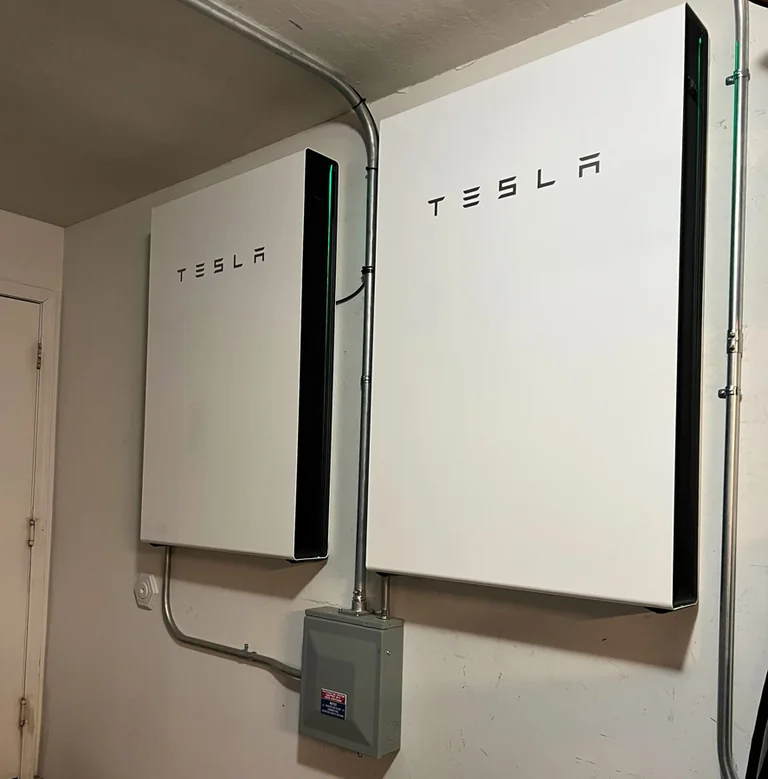
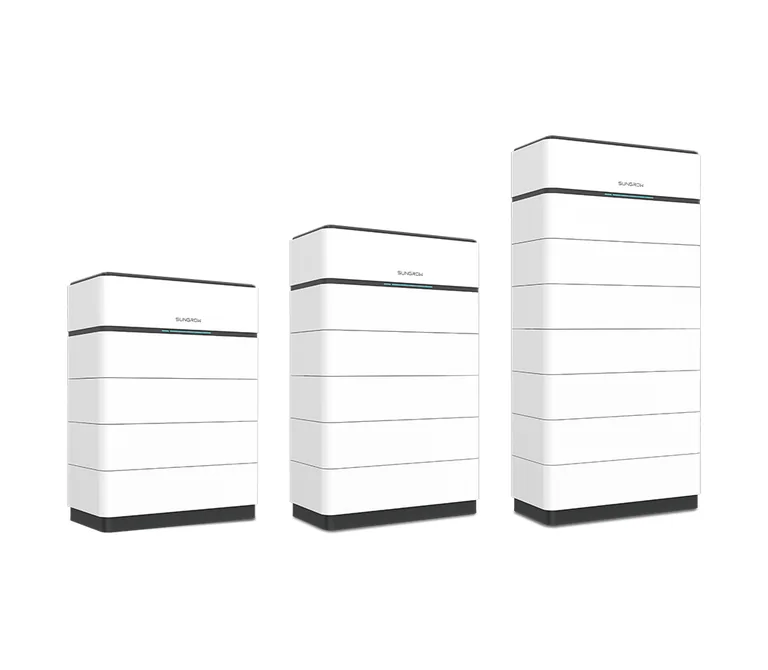
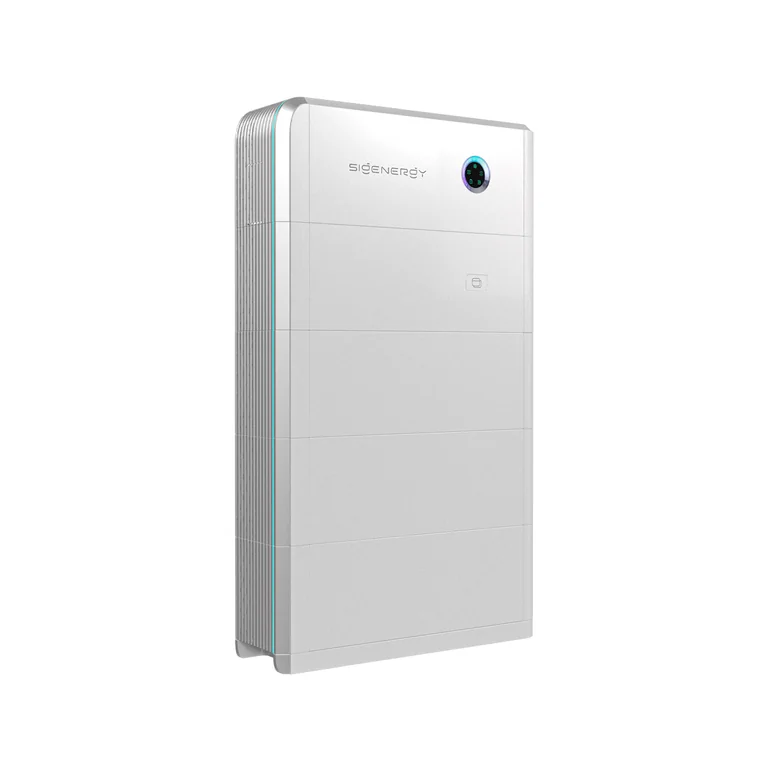
Plus GoodWe, SolaX, BYD and SMA - ask in your free quote.
Full brand and feature comparisonWhy us
Why Melbourne chooses Solar Batteries

Honest, right-sized systems
We size to your actual roof, load and goals, never to our margin. If a smaller system is the right call, that is what we quote.

Melbourne-wide, locally run
A Melbourne-based team covering the full metro and surrounding suburbs, so you get local knowledge, not a call centre.
Every major battery brand
Tesla, Sigenergy, Sungrow, SMA, BYD, GoodWe and SolaX. We are not tied to one brand, so the recommendation fits you, not a supplier.
Supply-only or full install
Want your own electrician to fit it? Supply-only is fine. Prefer it handled end to end? We design, install and commission.
VPP-ready from day one
We set systems up so you can join a Virtual Power Plant and earn credits when the grid draws on your stored power.
No pressure, no cost to quote
Free sizing and a clear written quote. No hard sell, no obligation and no surprise line items later.
Melbourne-wide
Areas we service
Our Melbourne-based team covers the full metro and surrounding suburbs. If you are in greater Melbourne, we are in your area.
Explore more
Related services
Good to know
Battery Storage Retrofits in Melbourne: your questions answered
Yes. A battery storage retrofit adds storage to any grid-connected solar system, provided your existing inverter is compatible or can be upgraded. Most modern string inverters can be retrofitted using an AC-coupled approach. Older inverters or those at end of life are sometimes replaced with a hybrid inverter during the same job. We assess your existing setup during the free quote.
Serving Melbourne metro to outer suburbs
Ready to get the right Battery Storage system for your property?
We size every system to your actual roof, load, and goals. Melbourne-wide, residential and commercial.