
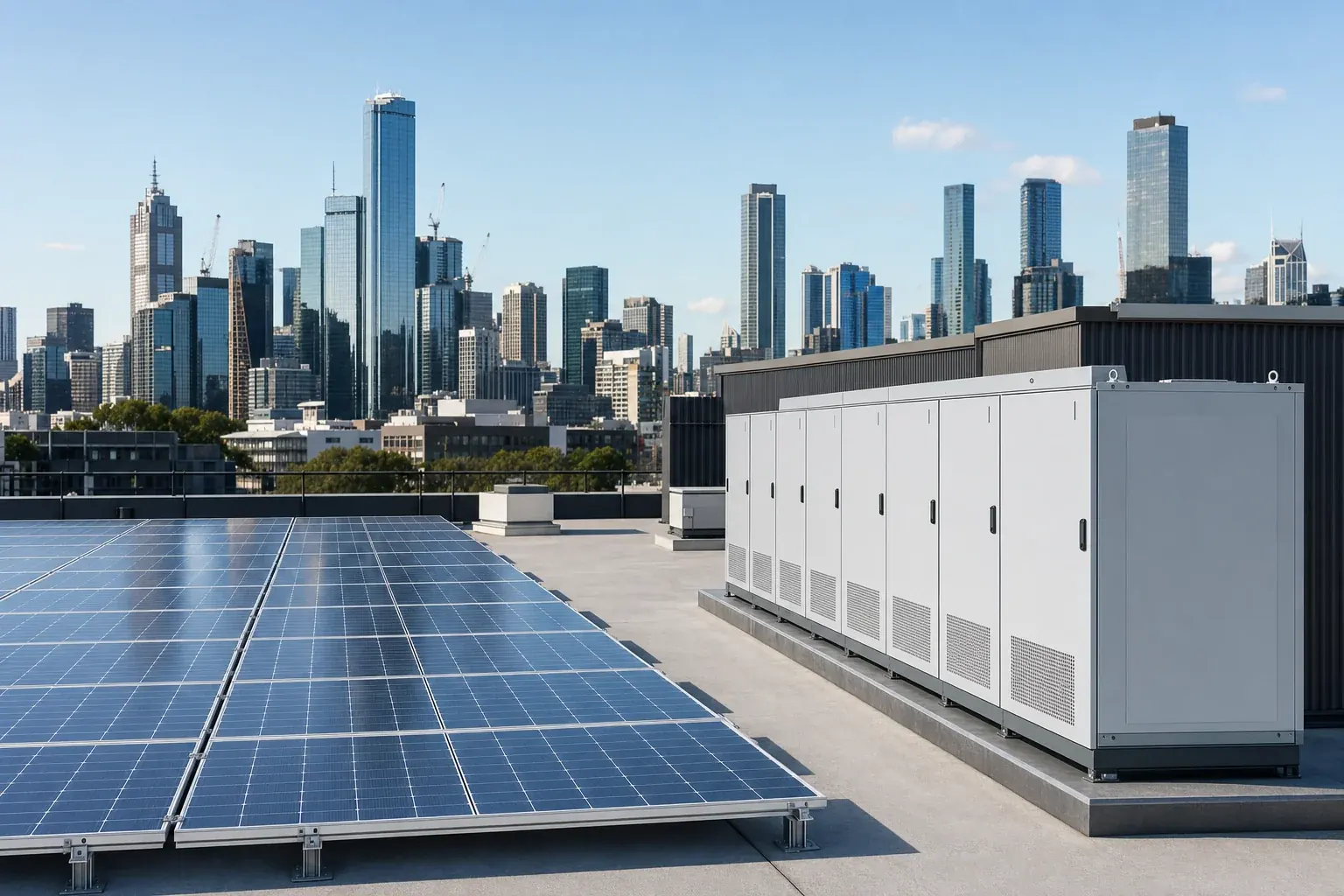
Commercial Battery Storage in Melbourne
Commercial electricity bills have two components that residential customers do not always see: energy charges for total consumption in kWh, and demand charges for the peak rate of consumption in kW during a billing period. A commercial battery system can target both. It displaces grid consumption during peak-rate periods and shaves the demand peaks that drive demand charges.
Get your free quote
Tell us about your property and goals. We will size the right system.
Commercial Battery Storage
Commercial Battery Storage for your Melbourne property
We design, supply, and install commercial battery storage for businesses across Melbourne. Our commercial work covers office buildings, warehouses, manufacturing facilities, retail centres, medical facilities, and multi-tenancy commercial properties. We size every system to the site's actual load profile rather than working from rule-of-thumb estimates.
This page explains how commercial battery storage differs from residential, the demand charge management mechanism, the supply-only versus full-installation options we offer, and which commercial applications benefit most from storage.
Why choose it
Why Melbourne businesses choose Commercial Battery Storage

Manage demand charges
Peak shaving and load shifting target the demand charges that drive commercial bills, not just self-consumption.

Resilience for your operation
Keep critical systems running through outages and cut your exposure to grid volatility across the site.

Fits your existing setup
Supply-only or full install, alongside your current contractor or end to end, matched to your load profile.
The full package
What's included, end to end

Design and sizing
- Free site and roof assessment
- System sized to your real usage
- Honest, brand-agnostic recommendation
- Clear written quote, no obligation
Supply and install
- Supply-only or full installation
- Licensed Melbourne installers
- Tidy cabling and commissioning
- Compliant grid-connection paperwork

Support and VPP
- Handover and app walkthrough
- VPP enrolment if you want it
- Warranty support when you need it
- A local team you can still call
At a glance
Commercial Battery Storage, compared
| Business Type | Typical Battery Range | Primary Application | Solar Pairing |
|---|---|---|---|
| Small office (100 to 500 m2) | 20 to 50 kWh | Demand management, TOU arbitrage | 30 to 100 kW |
| Large office or retail | 50 to 200 kWh | Demand management, resilience | 100 to 300 kW |
| Warehouse or cold storage | 100 to 500 kWh | Compressor peak shaving | 200 to 500 kW |
| Industrial manufacturing | 200 kWh+ | Production peak management | Site-specific |
| Medical or hospitality | 50 to 200 kWh | Resilience + demand | 50 to 200 kW |
Indicative ranges only. Actual sizing requires load analysis from 12 months of interval data.
The difference
Not all installs are equal
Full Installation (Supply + Install)
- We source, deliver, and commission the complete system
- Includes electrical design, permits, and grid connection
- EMS programming, testing, and operator training
- Ongoing monitoring and performance review available
- Single point of contact for equipment and installation warranty
- Suited to businesses without an existing electrical contractor
Supply-Only
- We supply the battery, inverter, and ancillary equipment
- You engage your own CEC-accredited installer
- We provide electrical design drawings and EMS specifications
- Compatible with your existing site contractor
- We advise on grid connection requirements and distributor applications
- Suited to operators with a preferred electrical contractor
What Commercial Battery Storage Does for Melbourne Businesses
Commercial battery storage targets the demand charge component of electricity bills by discharging at the moment peak draw would be recorded, keeping measured demand below the threshold that drives a significant portion of the monthly bill.
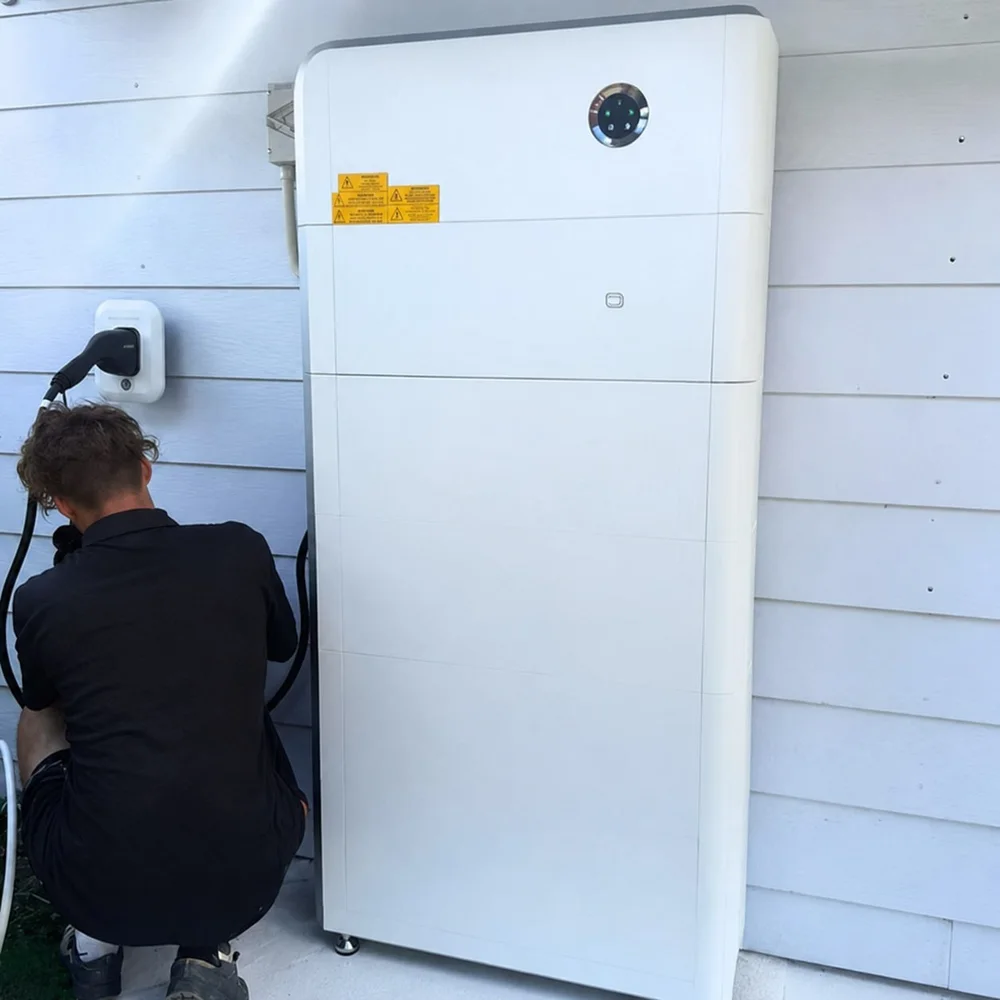
What does commercial battery storage do?
Commercial battery storage stores energy, either from rooftop solar or from the grid during low-rate periods, and discharges it during high-rate or high-demand periods. For most commercial sites, the primary value is demand charge management: reducing the peak kW draw that determines a significant portion of the electricity bill. Secondary value comes from time-of-use arbitrage and backup capability.
Demand charges are often the least-understood component of a commercial electricity bill. They are calculated based on the highest 15-minute or 30-minute average demand recorded during the billing period, multiplied by a demand rate set by your retailer or distributor. Even a brief spike in demand, from starting large motors, activating chiller plants, or running multiple high-draw pieces of equipment simultaneously, can set a high demand charge that persists for the entire billing month.
Battery vs Other Demand Management Approaches
Demand charges can also be managed through load scheduling, power factor correction, and operational changes. Batteries are most effective when the demand peaks are driven by loads that cannot easily be shifted or reduced, such as production equipment that must run when orders require, HVAC systems in buildings with fixed occupancy schedules, or medical equipment that cannot be deferred.
Demand Charge Management with Commercial Battery Storage
Demand charge management with battery storage works by monitoring real-time demand and automatically discharging when the site's power draw approaches the billing threshold, preventing peak events from being recorded against the meter.
The demand charge management strategy centres on keeping a commercial site's peak demand within a target threshold. The battery is configured to monitor real-time demand and discharge when the site's draw approaches the threshold, preventing the peak from being recorded against the meter.
- 1
Analyse 12 months of interval data
Demand interval data at 5 or 15-minute resolution shows when demand peaks occur, how frequently, how predictable they are, and how much power is needed to shave them.
- 2
Set the demand threshold target
We identify the demand level below which the site would save meaningfully on demand charges. This becomes the battery discharge trigger threshold.
- 3
Size the battery to the peak shaving window
Battery capacity must be large enough to cover the expected peak duration. A site that peaks for 45 minutes needs enough stored energy to supply the differential demand for that period.
- 4
Configure the energy management system
The battery's energy management system (EMS) is programmed with the demand threshold, solar charging priority, time-of-use rate windows, and backup reserve if applicable.
- 5
Monitor and optimise
After installation, we review the first three months of demand data to confirm the battery is shaving effectively and adjust the EMS parameters if the load profile has shifted.
Demand charge management is most effective on sites with predictable, recurring demand peaks. Sites where peaks are unpredictable or driven by irregular production runs require a different EMS configuration that is more responsive to real-time load changes rather than time-scheduled discharge.
Time-of-use arbitrage alongside demand management
Many commercial tariffs in Victoria have time-of-use components as well as demand charges. A battery sized for demand management can also participate in time-of-use arbitrage by charging from the grid during off-peak low-rate periods and discharging during peak high-rate periods. The two strategies complement each other and are programmed into the same EMS.
Supply-Only vs Full Installation for Commercial Sites
We offer supply-only and full installation for commercial battery storage, so operators with established site contractors and those wanting a complete managed service both get the right level of service for their procurement process.
Commercial operators often have established contractor relationships and procurement preferences. We accommodate both paths.
Full Installation (Supply + Install)
- We source, deliver, and commission the complete system
- Includes electrical design, permits, and grid connection
- EMS programming, testing, and operator training
- Ongoing monitoring and performance review available
- Single point of contact for equipment and installation warranty
- Suited to businesses without an existing electrical contractor
Supply-Only
- We supply the battery, inverter, and ancillary equipment
- You engage your own CEC-accredited installer
- We provide electrical design drawings and EMS specifications
- Compatible with your existing site contractor
- We advise on grid connection requirements and distributor applications
- Suited to operators with a preferred electrical contractor
We size storage to your business load profile, not our margin. Some commercial sites walk away with a smaller system than they expected - and a better outcome for it.
Which Commercial Applications Suit Battery Storage?
Battery storage suits Melbourne commercial sites where demand peaks are high and predictable, where time-of-use exposure is significant, or where backup capability is a genuine operational requirement rather than a nice-to-have.
Not every commercial site benefits equally from battery storage. The strongest use cases share common features: high and predictable demand peaks, significant time-of-use exposure, existing solar generation to pair with, or a genuine resilience requirement.
- Warehouses and cold storage - compressor start loads create demand spikes that drive demand charges
- Manufacturing facilities - production equipment with scheduled high-draw cycles
- Office buildings - HVAC demand peaks in the morning warmup period and afternoon peak
- Retail shopping centres - lighting, HVAC, and EV charging combined during trading hours
- Medical clinics and hospitals - resilience and demand management combined
- Data centres and IT facilities - continuous baseload with sensitive uptime requirements
- Hospitality and food service - kitchen equipment, refrigeration, and HVAC combined
- Multi-tenancy commercial properties with rooftop solar and common-area metering
Sites Where Battery Storage May Not Be the Priority
Businesses on flat-rate tariffs with no demand charge component, or businesses where peaks are very short and infrequent, may find that other load management strategies deliver better outcomes than a battery for the same investment. We review your tariff structure and load data before recommending a battery, and we will tell you directly if a battery is not the right tool for your situation.
Tariff review before battery specification
Commercial tariffs in Victoria vary significantly. Network tariffs, market tariffs, and standing offers all have different demand charge structures, time-of-use windows, and export arrangements. The right battery configuration for one tariff can be suboptimal for another. We review your current tariff before specifying any system and can advise on tariff switching if a different structure would improve the battery's performance.
Sizing Commercial Battery Storage to Your Load Profile
Commercial battery sizing begins with 12 months of interval meter data at 5 or 15-minute resolution, which shows when demand peaks occur and determines how much capacity is needed to shave them effectively, rather than any rule of thumb.
Commercial battery sizing is driven by the load analysis, not by generic rules. The key inputs are your interval meter data, your tariff structure, and your specific business objectives: demand management, time-of-use arbitrage, backup resilience, or a combination.
| Business Type | Typical Battery Range | Primary Application | Solar Pairing |
|---|---|---|---|
| Small office (100 to 500 m2) | 20 to 50 kWh | Demand management, TOU arbitrage | 30 to 100 kW |
| Large office or retail | 50 to 200 kWh | Demand management, resilience | 100 to 300 kW |
| Warehouse or cold storage | 100 to 500 kWh | Compressor peak shaving | 200 to 500 kW |
| Industrial manufacturing | 200 kWh+ | Production peak management | Site-specific |
| Medical or hospitality | 50 to 200 kWh | Resilience + demand | 50 to 200 kW |
Indicative ranges only. Actual sizing requires load analysis from 12 months of interval data.
Expandable Commercial Platforms
Commercial battery platforms from Sigenergy, Sungrow, and BYD support modular expansion. A site can install a base capacity and add modules later as business load grows, energy prices shift, or additional solar capacity is added to the roof. Specifying an expandable platform from the start avoids the need to replace the entire system when capacity requirements change.
For larger commercial installations above 30 kW or 100 kWh, we also assess whether a grid-scale LFP battery in a containerised configuration is appropriate. These units are manufactured specifically for commercial and industrial applications, with operating lives of 20 years or more and direct connection to medium-voltage networks on larger sites.
Scalable Commercial Battery Brands Available in Melbourne
The commercial battery brands we install in Melbourne cover a capacity range from 5 kWh to containerised systems above 500 kWh, all with modular expansion capability and local warranty backing appropriate for commercial asset management.
We source and install commercial battery systems from several major platforms, selected based on capacity range, EMS flexibility, Melbourne distributor compatibility, and local technical support availability.
| Brand | Capacity Range | Inverter Options | Best Suited To |
|---|---|---|---|
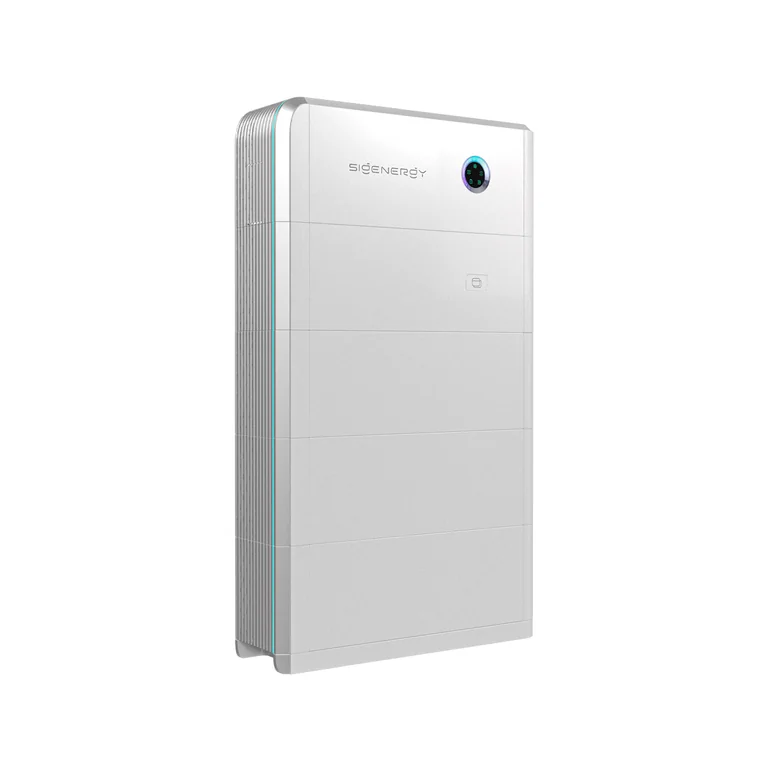
| Sigenergy SigenStor | 5 to 100+ kWh (modular) | Built-in hybrid or separate | Small to medium commercial, modular expansion |
| Sungrow SBR / SBH | 9.6 to 200+ kWh (modular) | Wide inverter range | Offices, warehouses, retail |
| SolaX Triple Power | 5 to 43+ kWh (two stacks) | SolaX hybrid inverter | Small commercial, demand management focus |
| Tesla Powerwall 3 | Up to 13.5 kWh per unit, stackable | Built-in hybrid inverter | Small commercial or multi-unit stacks |
| BYD Battery-Box Premium | 5 to 66+ kWh | Compatible with major inverter brands | Commercial sites needing third-party inverter flexibility |
Capacity ranges reflect modular stacking. Maximum site capacity depends on network export limits and switchboard capacity.
Local distributor approval for commercial systems
Commercial battery systems above 30 kW require a grid connection application to your Melbourne distributor. The approval process can take four to eight weeks depending on the distributor and the site's network location. We begin the application process early in the project to avoid delays to the installation programme.
Commercial Battery Commissioning and Ongoing Monitoring
Commercial battery commissioning goes beyond powering up the system, involving EMS programming, demand threshold testing, tariff configuration, and a three-month performance review to confirm the system is delivering the demand charge reduction it was sized to achieve.
A commercial battery system is not fully operational when it is simply turned on. The energy management system (EMS) programming, tariff configuration, and testing against live demand data are what determine whether the system actually achieves its demand charge management objectives.
What Commissioning Involves for a Commercial Battery
- 1
EMS programming and threshold configuration
We program the battery's energy management system with the demand threshold, discharge rate, minimum state-of-charge reserve, solar charging priority, and any time-of-use windows from your tariff. This is the intelligence layer that determines how the battery behaves on a day-to-day basis.
- 2
Grid connection verification
We verify the battery's connection approval with the distributor is in place and that the metering configuration correctly records the battery's output as distinct from grid import.
- 3
Demand shaving test
We run the site at a normal load level and confirm the battery discharges correctly when demand approaches the threshold, keeping the measured demand below the billing trigger point.
- 4
Backup mode test (if applicable)
For systems with backup capability, we simulate a grid outage and confirm the transfer switch activates within the specified time and the critical circuits remain live.
- 5
Monitoring platform setup
We configure the monitoring dashboard for your site, setting up the views relevant to your operations manager or facilities team, including real-time demand, battery state of charge, and export data.
- 6
Operator training and documentation
We train the relevant staff on how to read the monitoring dashboard, what the key readings mean, and who to contact if an alarm appears. Full as-built documentation is provided.
Three-Month Performance Review
Three months after commissioning, we review the actual demand data from your interval meter and compare it against the pre-installation baseline. This review confirms whether the demand threshold is set correctly, whether any load profile changes have shifted the peak windows, and whether the EMS parameters need adjustment to maintain performance. The review is included as part of our full installation service.
What to monitor ongoing
After the three-month review, a commercial battery system typically runs without regular intervention. The monitoring platform alerts you or your facilities manager to any operational events - a fault code, an inverter communication loss, or a battery reaching a low state-of-charge floor. Annual visual inspections and a tariff review every one to two years are the standard ongoing maintenance requirements.
If your business changes, whether through a new piece of equipment with a high start-up draw, a tariff change, or a change in operating hours, it is worth revisiting the EMS settings. A battery programmed for one peak profile can underperform if the load profile changes significantly. We remain available for EMS reprogramming and performance reviews throughout the system's life.
The process
How it works, start to finish
Step 1
Get your free quote
Tell us about your property, energy use and what you want from a battery. We come back with a clear, no-obligation quote.
Step 2
Site assessment and sizing
We check your roof, switchboard, any existing solar and your load profile, then size the right system for your place.
Step 3
Professional installation
Our licensed Melbourne team installs and commissions your battery, tidy, to standard and with minimal disruption.
Step 4
Support and VPP set-up
We show you how it works, set you up for a Virtual Power Plant if you want it, and stay available afterwards.

Compare batteries
Tesla. Sigenergy. Sungrow. Which fits you?
We carry and install all three. Features and suitability vary, so we size to your home or business, not our margin.
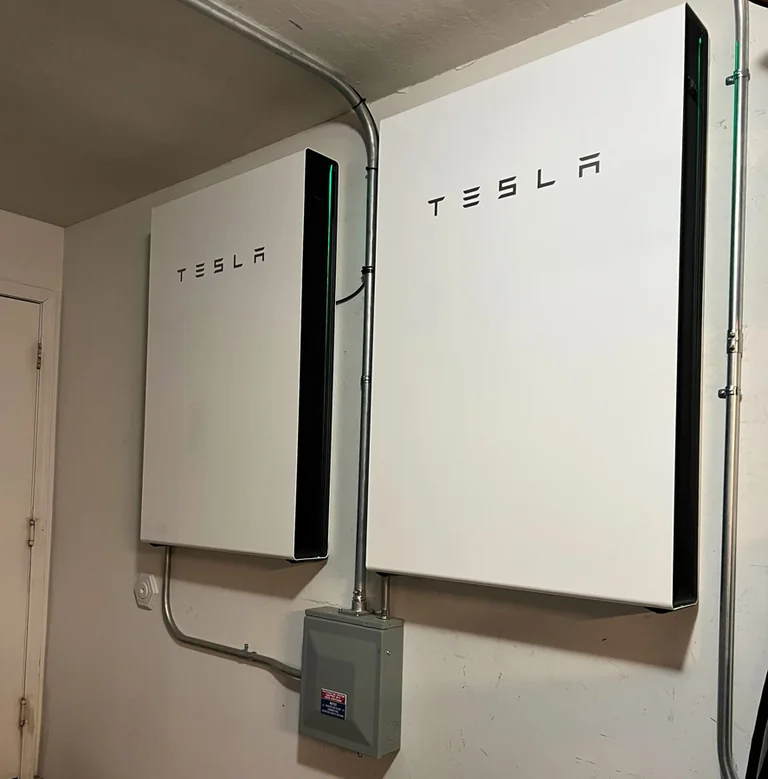
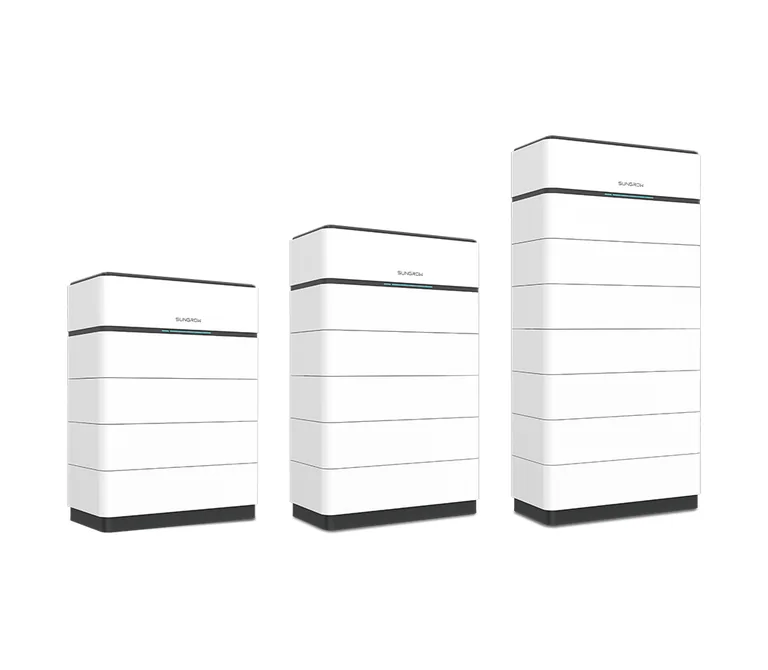
Plus GoodWe, SolaX, BYD and SMA - ask in your free quote.
Full brand and feature comparisonWhy us
Why Melbourne chooses Solar Batteries

Honest, right-sized systems
We size to your actual roof, load and goals, never to our margin. If a smaller system is the right call, that is what we quote.
Melbourne-wide, locally run
A Melbourne-based team covering the full metro and surrounding suburbs, so you get local knowledge, not a call centre.

Every major battery brand
Tesla, Sigenergy, Sungrow, SMA, BYD, GoodWe and SolaX. We are not tied to one brand, so the recommendation fits you, not a supplier.
Supply-only or full install
Want your own electrician to fit it? Supply-only is fine. Prefer it handled end to end? We design, install and commission.
VPP-ready from day one
We set systems up so you can join a Virtual Power Plant and earn credits when the grid draws on your stored power.
No pressure, no cost to quote
Free sizing and a clear written quote. No hard sell, no obligation and no surprise line items later.
Melbourne-wide
Areas we service
Our Melbourne-based team covers the full metro and surrounding suburbs. If you are in greater Melbourne, we are in your area.
Explore more
Related services
Good to know
Commercial Battery Storage in Melbourne: your questions answered
A demand charge is a component of commercial electricity bills based on the highest power draw recorded during a billing period, measured in kW rather than kWh. Even a brief 15-minute peak sets the demand charge for the entire month. Battery storage reduces demand charges by discharging when the site's draw approaches a threshold, preventing the peak from being recorded. The battery's energy management system monitors real-time demand and dispatches automatically.
Serving Melbourne metro to outer suburbs
Ready to get the right Commercial Battery Storage system for your property?
We size every system to your actual roof, load, and goals. Melbourne-wide, residential and commercial.