

VPP Enrolment in Melbourne (Virtual Power Plant)
A Virtual Power Plant, or VPP, is a network of home and business batteries that a grid operator can draw on during periods of high electricity demand. When the grid is under pressure, the operator dispatches stored energy from enrolled batteries back to the grid. In exchange, enrolled customers earn credits or payments for the energy contributed.
Get your free quote
Tell us about your property and goals. We will size the right system.
VPP Enrolment
VPP Enrolment for your Melbourne property
VPP programs turn individual home batteries into a collective resource. From the grid's perspective, thousands of small batteries behaving in coordinated dispatch events look like a single medium-scale power plant, hence the name. From your perspective, it is a way to earn something for the stored energy your battery is not using in that moment.
This page explains how VPP enrolment works in Victoria, which battery systems are compatible, what you give up when you enrol, and how we manage the enrolment process for you.
Why choose it
Why Melbourne homes choose VPP Enrolment
Earn from your stored power
When the grid draws on your battery during peak events, you get paid credits, automatically and in plain English.

Your home stays covered
The software keeps your own essential loads powered first. The VPP only steps in during defined grid events.

We check compatibility first
Not every battery and retailer works with every program, so we confirm your eligibility before you commit.
The full package
What's included, end to end

Design and sizing
- Free site and roof assessment
- System sized to your real usage
- Honest, brand-agnostic recommendation
- Clear written quote, no obligation

Supply and install
- Supply-only or full installation
- Licensed Melbourne installers
- Tidy cabling and commissioning
- Compliant grid-connection paperwork

Support and VPP
- Handover and app walkthrough
- VPP enrolment if you want it
- Warranty support when you need it
- A local team you can still call
At a glance
VPP Enrolment, compared
| Requirement | Typical Minimum | Notes |
|---|---|---|
| Usable battery capacity | 5 to 10 kWh | Varies by program. Higher capacity attracts better credits |
| Grid-connected system | VPP requires a working grid connection | |
| Monitoring gateway | Required | Battery must support cloud communication for dispatch signals |
| Compatible inverter | Program-specific | Some programs support all CEC-listed inverters; others restrict to specific brands |
| Internet connection | Required | Stable broadband at the premises for dispatch signal delivery |
| Existing solar panels | Not always required | Some programs allow battery-only systems; others require solar generation |
General eligibility requirements across Victorian VPP programs. Confirm current criteria with us during your consultation.
The difference
Not all installs are equal
What You Gain from VPP
- Credits or payments for energy dispatched to the grid
- Your battery still handles regular self-consumption outside dispatch events
- Grid stability contribution - your battery helps prevent blackouts during heatwaves
- Some programs offer preferential import rates or bill credits in addition to dispatch payments
- No active management required - dispatch is automated
What You Give Up from VPP
- During dispatch events, your battery is discharged by the program operator, not by your household
- Some programs reserve a minimum state of charge that reduces self-consumption
- Dispatch events can occur in the evening when you would otherwise be using the stored energy
- Flexibility to exit some programs may require a notice period
- Credit amounts can change as market conditions shift
What Is a Virtual Power Plant?
A Virtual Power Plant is a network of home and business batteries coordinated by a central platform to respond to grid demand events, collectively acting as a fast-responding dispatchable power source.
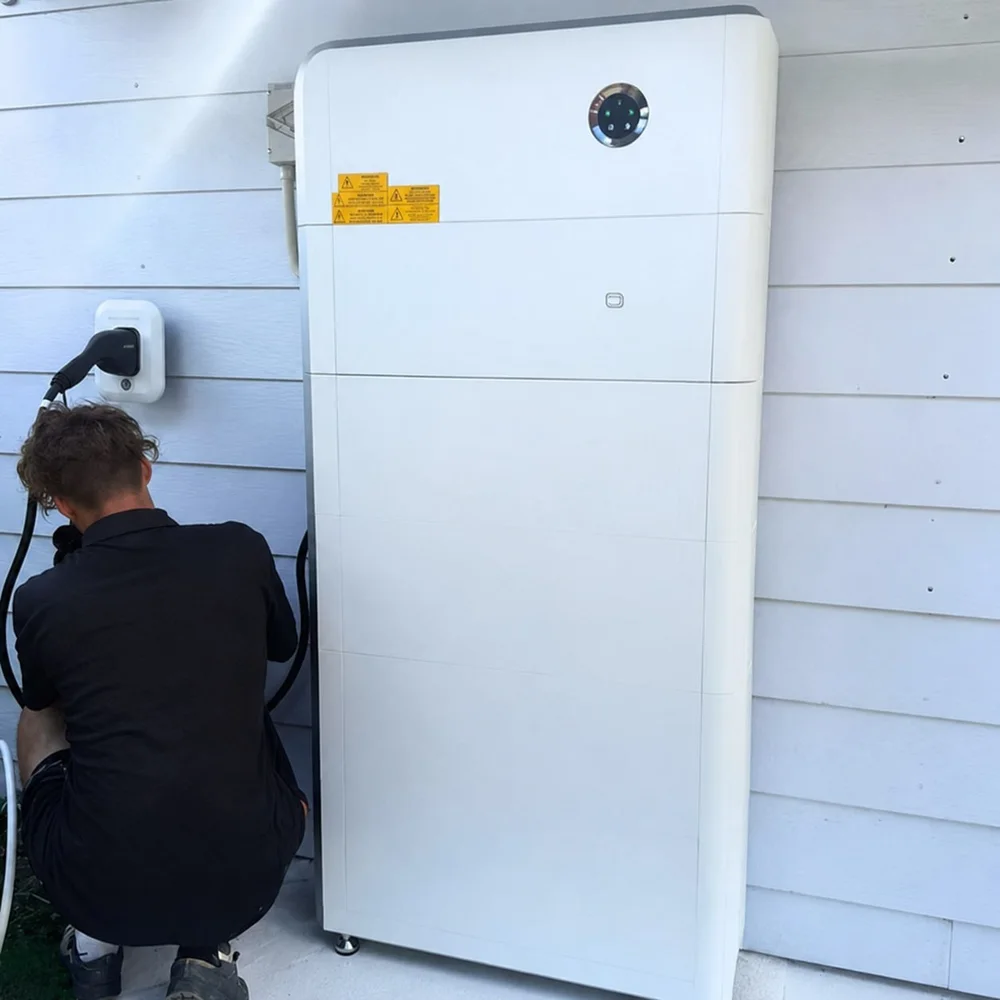
What is a Virtual Power Plant (VPP)?
A Virtual Power Plant is a network of home and business batteries coordinated by a central platform. During peak demand events, the platform sends dispatch instructions to enrolled batteries, which discharge stored energy to the grid. The aggregated capacity from hundreds or thousands of batteries can respond faster than a conventional peaking plant, providing essential grid stability services.
The electricity grid in Victoria, managed by AEMO (Australian Energy Market Operator), has two main challenges during demand peaks: getting enough generation capacity online fast enough, and keeping frequency and voltage within safe limits. Large peaking gas plants can respond within minutes. Battery storage can respond within milliseconds. A VPP aggregating thousands of batteries provides that millisecond-response capacity at scale, which is genuinely valuable to the grid.
Store, Share, Earn: How the Cycle Works
- 1
Your solar charges the battery
During the day, your panels fill the battery as usual. Your household or business self-consumption is met first. Surplus goes into storage.
- 2
The VPP platform monitors the grid
The program operator watches AEMO's five-minute dispatch intervals. When demand is high and wholesale prices spike, the platform prepares a dispatch event.
- 3
A dispatch event fires
Your battery receives an instruction to discharge at a specified rate. The energy goes to your local network first, then to the wider grid. The event typically lasts 30 to 90 minutes.
- 4
You receive credits
After the event, the program operator credits your account for the energy dispatched. Credit structures vary by program, from flat per-kWh payments to wholesale price pass-through arrangements.
- 5
The battery recharges
After a dispatch event, the battery is allowed to recharge from available solar or from the grid at the agreed parameters before the next event.
How VPP Enrolment Works in Victoria
Victorian VPP programs are operated by utilities and independent aggregators under AEMO's wholesale market framework, with each program having distinct credit structures, dispatch protocols, and battery compatibility requirements.
Victoria has an established VPP market with several competing program operators. Programs differ in their eligibility requirements, dispatch frequency, credit structures, and constraints on your own use of the battery. Reading the terms carefully before enrolment matters because some programs impose battery reservation requirements, meaning a portion of your battery capacity is reserved for dispatch events rather than household self-consumption.
Current VPP Program Landscape in Victoria
The major VPP programs available to Victorian battery owners include utility-backed programs from retailers like AGL, Origin Energy, and Amber Electric, as well as independent aggregators. Each program has different battery compatibility requirements, different credit structures, and different levels of control over your battery during dispatch events.
VPP terms change regularly
Credit rates, dispatch protocols, and eligibility criteria for Victorian VPP programs change as market rules evolve and programs re-tier. We review current program terms with you during the consultation so you enrol on accurate, current information rather than figures that may have already changed.
The Role of AEMO and Your Distributor
VPP dispatch events are coordinated with AEMO's wholesale market and your local distributor's network constraints. Your distributor (Ausnet, Jemena, CitiPower, Powercor, or United Energy, depending on your Melbourne suburb) sets the rules on how much power can flow back through your connection point. This affects how your battery participates in dispatch events. We confirm your connection's export limits as part of the enrolment assessment.
VPP Eligibility and Compatible Batteries in Melbourne
VPP eligibility depends on your battery's communication capabilities, its usable capacity, your grid connection export limit, and whether the specific program accepts your battery brand and model.
Not every home battery is eligible for every VPP program. Programs have minimum capacity requirements, inverter communication requirements, and sometimes brand-specific compatibility lists. Here is the general picture.
| Requirement | Typical Minimum | Notes |
|---|---|---|
| Usable battery capacity | 5 to 10 kWh | Varies by program. Higher capacity attracts better credits |
| Grid-connected system | VPP requires a working grid connection | |
| Monitoring gateway | Required | Battery must support cloud communication for dispatch signals |
| Compatible inverter | Program-specific | Some programs support all CEC-listed inverters; others restrict to specific brands |
| Internet connection | Required | Stable broadband at the premises for dispatch signal delivery |
| Existing solar panels | Not always required | Some programs allow battery-only systems; others require solar generation |
General eligibility requirements across Victorian VPP programs. Confirm current criteria with us during your consultation.
Batteries Well-Suited to VPP in Victoria
- Tesla Powerwall - has native VPP compatibility and is enrolled in several Australian programs
- Sigenergy SigenStor - VPP-compatible via open modbus and cloud API
- Sungrow batteries - widely supported across aggregator programs
- BYD Battery-Box - compatible with Victorian VPP programs via paired inverter API
- SolaX Triple Power - supports external VPP API in most configurations
Does VPP enrolment void my battery warranty?
Major battery manufacturers permit VPP participation within their warranty terms, provided dispatch events stay within the battery's rated cycle limits and state-of-charge boundaries. Some programs operate within manufacturer-specified parameters and have this confirmed in writing. We review the warranty implications with you before enrolment to ensure there are no conflicts.
The Trade-Offs of Joining a Melbourne VPP
Joining a VPP earns you credits when the grid draws on your stored energy, but you give up some control over when that energy is used, particularly during evening peak events when you might otherwise use it for your own household load.
VPP participation is generally straightforward to manage day to day, but understanding the trade-offs before you commit prevents disappointment. Here is an honest account of what you give up and what you gain.
What You Gain from VPP
- Credits or payments for energy dispatched to the grid
- Your battery still handles regular self-consumption outside dispatch events
- Grid stability contribution - your battery helps prevent blackouts during heatwaves
- Some programs offer preferential import rates or bill credits in addition to dispatch payments
- No active management required - dispatch is automated
What You Give Up from VPP
- During dispatch events, your battery is discharged by the program operator, not by your household
- Some programs reserve a minimum state of charge that reduces self-consumption
- Dispatch events can occur in the evening when you would otherwise be using the stored energy
- Flexibility to exit some programs may require a notice period
- Credit amounts can change as market conditions shift
A VPP pays you to share stored power back to the grid at the moments the grid needs it most. Here is the plain-English version: your battery helps prevent blackouts during Melbourne heatwaves, and you earn something for that.
The right question is not simply whether to join a VPP but which program aligns with your usage pattern. A household that needs full battery capacity available every evening for a long return commute home is in a different position to one where occupants are home during the day and recharge is predictable. We map your profile against current program parameters to identify the best fit.
Which Battery Systems Support VPP in Victoria?
VPP compatibility requires a battery with cloud communication capability, a supported gateway, and a stable internet connection at your premises, plus compatibility with the specific program's dispatch protocol.
VPP compatibility depends on the battery's communication capabilities. Dispatch signals are sent via a cloud API or a local communication interface. Batteries without a supported gateway or communication protocol cannot receive dispatch instructions and therefore cannot participate.
Open vs Proprietary VPP Protocols
Some batteries use proprietary communication that limits them to a single program or aggregator. Others support open protocols such as OpenADR or OCPP, which allow connection to multiple programs. From a flexibility standpoint, open-protocol batteries give you more options over the battery's life as programs emerge, merge, or change their terms.
Planning for VPP from the start
If VPP enrolment is a priority, flag it before we select your battery. Some batteries support VPP natively. Others require an additional communication gateway or a specific inverter pairing. Specifying VPP compatibility upfront avoids discovering after installation that your chosen battery does not support your preferred program.
VPP Enrolment Process in Melbourne
We manage the full VPP enrolment process, from battery and connection assessment and program comparison through to application submission, activation, and test event confirmation.
We manage the VPP enrolment process on your behalf, from assessing your battery's eligibility through to completing the application and confirming your first dispatch event. Here is the typical flow.
- 1
Battery and connection assessment
We confirm your battery's VPP compatibility, your grid connection export limit, and your internet connection stability at the premises.
- 2
Program comparison
We review current Victorian VPP programs against your usage pattern, battery capacity, and preferences to identify the best candidate.
- 3
Terms review
We walk you through the program's dispatch parameters, credit structure, reservation requirements, and exit clauses before you sign anything.
- 4
Application submission
We prepare and submit the enrolment application to the program operator, including your battery details, connection information, and any required documentation.
- 5
Activation and test event
Once approved, the program operator runs a test dispatch to confirm your battery is receiving and responding to signals correctly.
- 6
Ongoing monitoring
We remain available to help you review credit statements, adjust your program parameters if allowed, or switch programs if a better option emerges.
How VPP Credits Are Calculated and Paid in Victoria
VPP credit calculations and payment structures vary significantly between programs, from flat per-kWh rates through to wholesale price pass-through arrangements, and understanding how your program calculates credits is important before you enrol.
The credit structure is one of the most important terms to understand before joining a VPP program, because the credit you receive for a dispatch event can vary substantially depending on how the program is structured and when the event occurs.
Common VPP Credit Structures
- Flat per-kWh rate: the program pays a fixed credit for each kWh dispatched regardless of when the event occurs. Simple to understand but does not capture higher values during extreme peak events.
- Wholesale price pass-through: credits are linked to the wholesale electricity spot price at the time of the dispatch event. During extreme demand events the spot price can spike dramatically, which can mean high credits per event, but events are less frequent.
- Bill credit: rather than a direct payment, some programs reduce your next electricity bill by the value of the energy dispatched. The effect is the same as a payment but the timing differs.
- Retailer incentive rates: some retailers offer preferential import rates or feed-in bonus credits to customers who enrol in their VPP program, providing ongoing value beyond the dispatch events themselves.
Event frequency vs credit per event
Programs with higher per-kWh credits typically have fewer dispatch events, because they are triggered only by extreme demand conditions. Programs with lower per-kWh credits may dispatch more frequently. The total annual credit depends on both factors and varies with weather and grid conditions each year. We do not publish expected annual earnings because they are genuinely unpredictable, and any figure published would be misleading.
Credit statements from VPP operators vary in their detail and frequency. Some programs report credits monthly alongside your electricity bill. Others send separate program statements. Before enrolment, we confirm how the program reports credits and what data you can access to verify the statements. Transparency in credit reporting is one of the criteria we use when comparing programs for our customers.
| Credit Type | How It Works | Best Suited To |
|---|---|---|
| Flat per-kWh | Fixed rate per kWh dispatched, regardless of time | Households wanting predictable credit values |
| Wholesale pass-through | Credit linked to spot price at dispatch time | Households comfortable with variable, occasionally high credits |
| Bill credit | Reduces your retailer bill by the value dispatched | Households who prefer seeing savings on the bill directly |
| Retailer import bonus | Lower import rate as ongoing incentive for VPP enrolment | Households with higher evening import volumes |
Credit structures as of 2026. Individual program terms may differ. Confirm current terms at enrolment.
The process
How it works, start to finish
Step 1
Get your free quote
Tell us about your property, energy use and what you want from a battery. We come back with a clear, no-obligation quote.
Step 2
Site assessment and sizing
We check your roof, switchboard, any existing solar and your load profile, then size the right system for your place.
Step 3
Professional installation
Our licensed Melbourne team installs and commissions your battery, tidy, to standard and with minimal disruption.
Step 4
Support and VPP set-up
We show you how it works, set you up for a Virtual Power Plant if you want it, and stay available afterwards.
Why us
Why Melbourne chooses Solar Batteries
Honest, right-sized systems
We size to your actual roof, load and goals, never to our margin. If a smaller system is the right call, that is what we quote.

Melbourne-wide, locally run
A Melbourne-based team covering the full metro and surrounding suburbs, so you get local knowledge, not a call centre.
Every major battery brand
Tesla, Sigenergy, Sungrow, SMA, BYD, GoodWe and SolaX. We are not tied to one brand, so the recommendation fits you, not a supplier.
Supply-only or full install
Want your own electrician to fit it? Supply-only is fine. Prefer it handled end to end? We design, install and commission.
VPP-ready from day one
We set systems up so you can join a Virtual Power Plant and earn credits when the grid draws on your stored power.
No pressure, no cost to quote
Free sizing and a clear written quote. No hard sell, no obligation and no surprise line items later.
Melbourne-wide
Areas we service
Our Melbourne-based team covers the full metro and surrounding suburbs. If you are in greater Melbourne, we are in your area.
Explore more
Related services
Good to know
VPP Enrolment in Melbourne: your questions answered
A VPP is a network of home and business batteries that a central platform coordinates during periods of high electricity demand. When the grid needs extra power, the platform instructs your battery to discharge into the grid. You receive credits for the energy contributed. The network of batteries collectively acts like a single, very fast-responding power source that helps stabilise Melbourne's electricity grid.
Serving Melbourne metro to outer suburbs
Ready to get the right VPP Enrolment system for your property?
We size every system to your actual roof, load, and goals. Melbourne-wide, residential and commercial.