
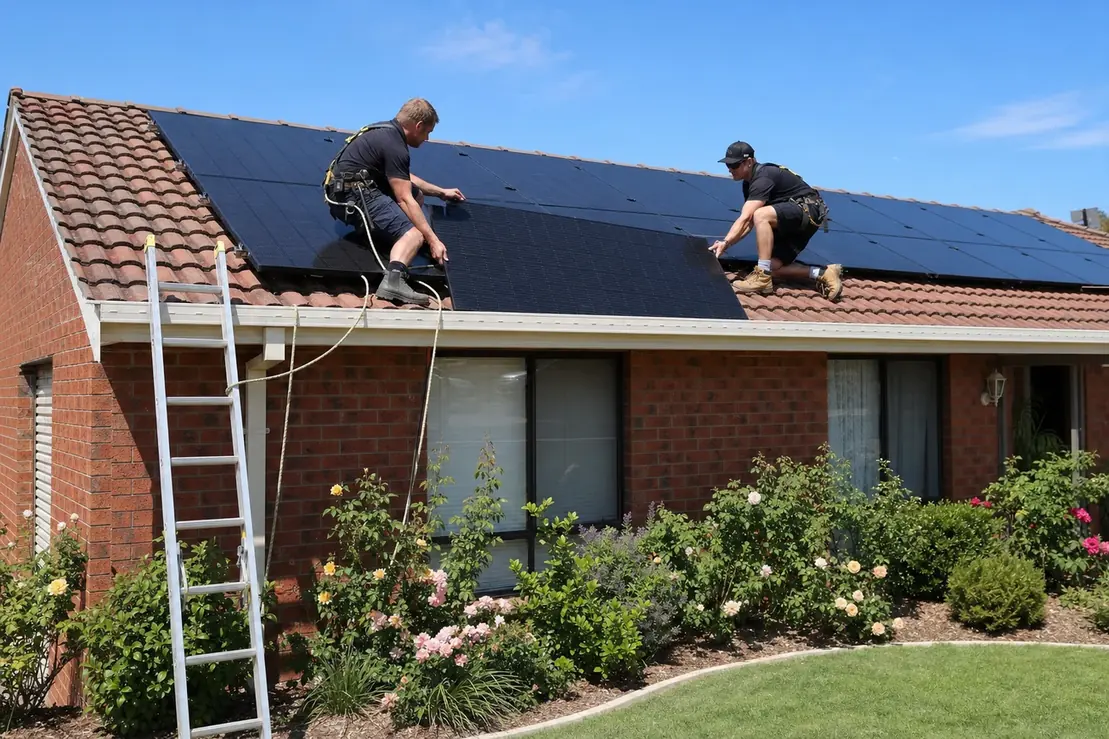
Hybrid Solar and Battery Systems in Melbourne
A hybrid solar system combines solar panels and battery storage in one integrated design. Unlike a retrofit, where a battery is added to an existing panel installation, a hybrid system is engineered from the ground up with both generation and storage in mind. The panels, inverter, and battery are sized as a system rather than as separate purchases.
Get your free quote
Tell us about your property and goals. We will size the right system.
Hybrid Solar + Battery
Hybrid Solar + Battery Systems for your Melbourne property
For Melbourne homes and businesses starting fresh with solar, the hybrid path gives you greater design flexibility. A hybrid inverter connects the battery on the DC bus, which means higher round-trip efficiency compared to AC-coupled retrofits, and a cleaner system configuration overall.
We design and install hybrid systems across the Melbourne metro area for residential and commercial customers. This page explains what makes a hybrid system different, how we size them, and which situations suit a hybrid approach versus a battery retrofit to existing solar.
Why choose it
Why Melbourne homes choose Hybrid Solar + Battery
Panels and battery, matched
Designed together from day one, so the array, inverter and battery are sized as one system, not retrofitted to fit.
Built for Melbourne conditions
Sized around Melbourne sun angles, short winter days and real evening load, so it performs where you actually live.

One install, one point of control
A single commissioning visit and one app to monitor generation, storage and use. Tidy, matched and simple.
The full package
What's included, end to end

Design and sizing
- Free site and roof assessment
- System sized to your real usage
- Honest, brand-agnostic recommendation
- Clear written quote, no obligation

Supply and install
- Supply-only or full installation
- Licensed Melbourne installers
- Tidy cabling and commissioning
- Compliant grid-connection paperwork
Support and VPP
- Handover and app walkthrough
- VPP enrolment if you want it
- Warranty support when you need it
- A local team you can still call
At a glance
Hybrid Solar + Battery, compared
| Household Type | Suggested Panel Range | Suggested Battery Range | Key Consideration |
|---|---|---|---|
| 2-3 person home | 6.6 to 10 kW | 10 to 13.5 kWh | Moderate consumption, single peak |
| 4-5 person home | 10 to 13.3 kW | 13.5 to 20 kWh | Higher evening demand, possibly EV |
| Home with EV | 13.3 to 20 kW | 20 to 27 kWh | EV charging adds significant overnight draw |
| Small business | 20 to 30 kW | 20 to 40 kWh | Demand charge management a priority |
Indicative ranges only. Actual sizing depends on your specific roof, usage pattern, and network export limits.
The difference
Not all installs are equal
Hybrid Solar + Battery (New System)
- Best if you have no solar or are replacing an old system
- DC-coupled for higher efficiency (96 to 98%)
- Single inverter, cleaner installation
- Sized from scratch to match your actual load
- Easier to add more battery modules later
- Backup power can be built in from day one
Battery Retrofit (Add Storage to Existing Solar)
- Best if your existing solar is less than 8 years old and performing well
- AC-coupled, slightly lower efficiency (~90%)
- Separate battery inverter adds complexity
- Limited by your existing panel and inverter capacity
- May require inverter replacement if compatibility fails
- Backup mode needs additional hardware in some configurations
What Makes a Hybrid Solar System Different from a Retrofit
A hybrid solar system uses a single inverter to manage both solar panel input and battery storage on the DC bus, eliminating the extra AC-to-DC conversion step needed in retrofits and improving round-trip efficiency to 96 to 98 percent.
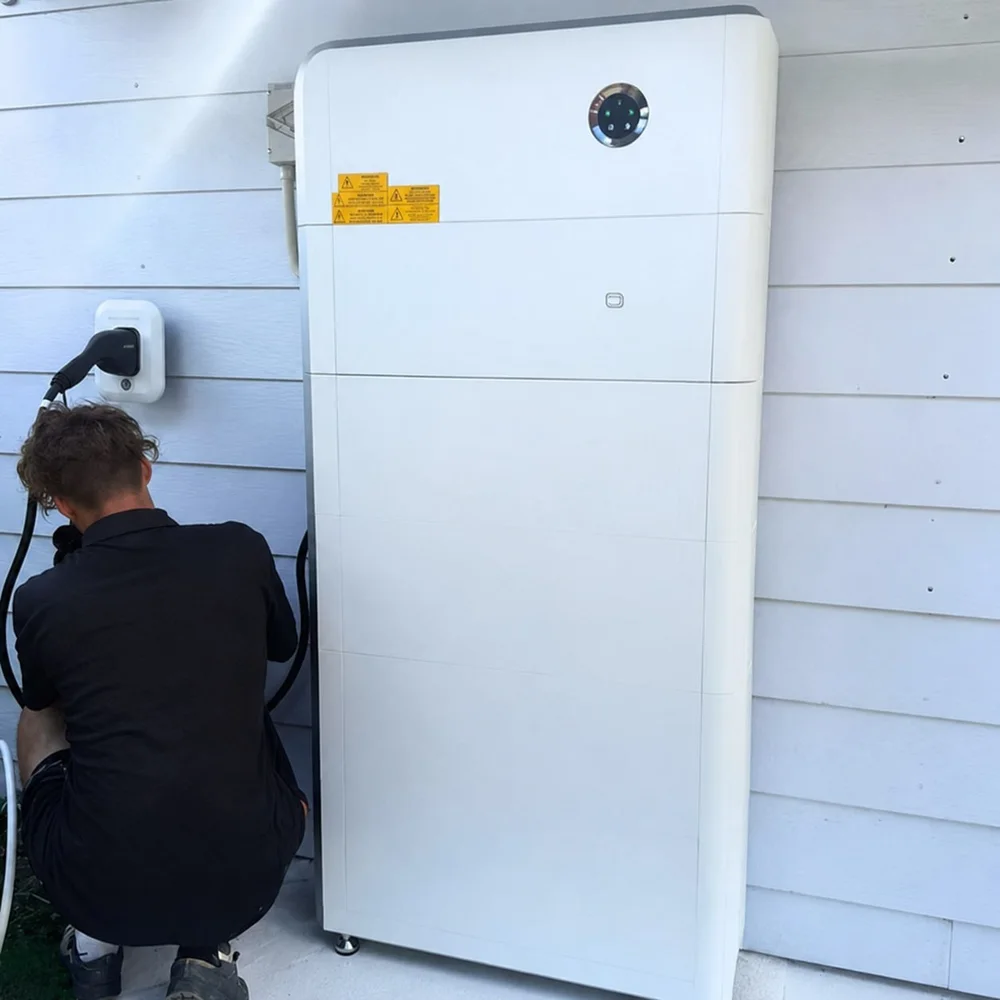
What is a hybrid solar and battery system?
A hybrid solar and battery system uses a single hybrid inverter to manage both solar panel input and battery charge and discharge in one unit. Panels connect directly to the hybrid inverter, the battery connects on the DC bus, and the inverter handles both generation and storage together. This eliminates the separate battery inverter required in an AC-coupled retrofit setup.
The main technical distinction is where the battery connects in the circuit. In a standard retrofit, solar generates AC power, the battery converts it back to DC for storage, then converts it again to AC when discharging. Each conversion step loses a small percentage of energy. A hybrid inverter keeps the battery on the DC side, so the solar power goes directly into the battery without that extra conversion step. That improves round-trip efficiency from roughly 90 percent to around 96 to 98 percent.
Integrated Design vs Sequential Purchases
When you install panels and battery separately over time, you make two independent purchasing decisions. The battery you add later may not be the ideal match for the inverter you bought two years ago. A hybrid system removes that constraint. The inverter, panels, and battery are specified together, and the resulting system design is cleaner, more efficient, and easier to expand if your needs change.
Hybrid Solar and Battery Systems for Melbourne Homes
Melbourne homes suit hybrid solar and battery systems well, particularly households replacing an old inverter, planning an EV, building new, or wanting whole-home backup capability from day one.
Melbourne's suburban housing stock, predominantly brick veneer homes built between the 1960s and 2000s, suits rooftop solar well. North-facing roof space is the priority, though east-west split arrays are increasingly common as battery storage makes morning and afternoon generation valuable regardless of direction.
Which Households Suit a Hybrid System Most?
- Households building a new home or undertaking a major renovation where new electrical work is already underway
- Existing homeowners replacing an old or underperforming solar system and who want to upgrade to include storage
- Households planning to add an EV in the next two to three years and want a system sized for that future load
- Homes in areas with frequent short outages, where backup-capable storage is a priority from day one
- Households with high daytime energy use who want the panel-to-battery efficiency of a DC-coupled design
For homeowners who are happy with their existing panels and inverter, a battery retrofit is often the more cost-effective path. The hybrid advantage is most pronounced when you are replacing an old inverter anyway, starting from scratch, or when DC-coupling efficiency is important for your usage pattern.
North-facing versus east-west arrays
A north-facing array maximises midday generation, which is ideal if you want to fill a battery quickly. An east-west split array generates more consistently across the morning and afternoon, which can suit households with morning and evening consumption peaks. With battery storage, the best array orientation depends on your specific usage pattern, not just total daily generation.
Sizing a Hybrid System to Your Roof and Load
Hybrid system sizing involves two linked decisions - panel capacity to fill the battery reliably through Melbourne winters, and battery capacity to cover your evening and overnight load without leaving you short on the lowest-generation days.
Hybrid system sizing involves two independent but related decisions: how many panels to install, and how much battery capacity to pair with them. These decisions interact. More panels mean faster battery charging, which may allow a smaller battery to reach full charge earlier in the day. Fewer panels mean the battery needs more capacity to carry you through evening demand.
- 1
Review your current and projected consumption
We start with your last 12 months of interval data if available. We also factor in planned changes: an EV, a pool heater removal, occupancy changes, or a home office running through the day.
- 2
Assess your roof
Roof orientation, available area, shading from trees or neighbouring structures, and your local DNSP's export limits all affect how many panels we can install and how they should be arranged.
- 3
Determine optimal panel capacity
Panel capacity is set to generate enough surplus to fill the battery on a typical Melbourne day in autumn or winter, not just in peak summer when generation is easy.
- 4
Size the battery to your evening and overnight load
The battery needs to cover your demand from sunset to the following morning or until the next solar generation cycle begins. We model this using your actual interval data.
- 5
Select the hybrid inverter
The inverter must match both the solar array capacity and the battery's charge and discharge rate. Most residential hybrid inverters handle 5 to 10 kW input. Larger homes or commercial sites may need multi-inverter configurations.
| Household Type | Suggested Panel Range | Suggested Battery Range | Key Consideration |
|---|---|---|---|
| 2-3 person home | 6.6 to 10 kW | 10 to 13.5 kWh | Moderate consumption, single peak |
| 4-5 person home | 10 to 13.3 kW | 13.5 to 20 kWh | Higher evening demand, possibly EV |
| Home with EV | 13.3 to 20 kW | 20 to 27 kWh | EV charging adds significant overnight draw |
| Small business | 20 to 30 kW | 20 to 40 kWh | Demand charge management a priority |
Indicative ranges only. Actual sizing depends on your specific roof, usage pattern, and network export limits.
Hybrid System Brands Available in Melbourne
The hybrid inverter and battery market in Australia is now mature, with several well-supported platforms offering local warranty backing, expandable capacity, and compatibility with Victorian network connection requirements.
The hybrid inverter and battery market has matured rapidly in Australia. Several major brands now offer well-supported systems with local warranty backing. We work with a range of brands to match the right combination to your situation rather than defaulting to one supplier.
- Tesla Powerwall 3 - integrates a hybrid inverter with the battery in a single unit, clean installation, strong backup capability
- Sigenergy SigenStor - DC-coupled hybrid platform, wide capacity range, suited to larger homes and small commercial
- Sungrow SH hybrid series - popular in commercial and residential hybrid setups, wide inverter capacity range
- BYD Battery-Box Premium - inverter-agnostic, works with a range of compatible inverter brands for flexible retrofits
- SMA Home Storage - German-engineered modular storage with IP65-rated outdoor mounting flexibility
Inverter brand lock-in
Some hybrid inverters are only compatible with the same brand's battery. If you choose a proprietary system, future battery expansions or replacements are limited to that brand's range. We flag this during the design phase so you understand the long-term implications before committing.
A hybrid system designed correctly is a 15-year asset. The inverter brand, battery chemistry, and expansion path matter as much as the day-one capacity.
Hybrid Solar Battery vs Battery Retrofit: Which Path Suits You?
A hybrid system suits households starting fresh or replacing an ageing inverter, while a battery retrofit to existing solar is more cost-effective when the existing panels and inverter are less than eight years old and performing well.
The right choice depends on your current situation. Here is a direct comparison of the two paths to help you think through it before the free quote conversation.
Hybrid Solar + Battery (New System)
- Best if you have no solar or are replacing an old system
- DC-coupled for higher efficiency (96 to 98%)
- Single inverter, cleaner installation
- Sized from scratch to match your actual load
- Easier to add more battery modules later
- Backup power can be built in from day one
Battery Retrofit (Add Storage to Existing Solar)
- Best if your existing solar is less than 8 years old and performing well
- AC-coupled, slightly lower efficiency (~90%)
- Separate battery inverter adds complexity
- Limited by your existing panel and inverter capacity
- May require inverter replacement if compatibility fails
- Backup mode needs additional hardware in some configurations
If your existing solar inverter is approaching end of life (most last 10 to 15 years), a hybrid system that replaces it while adding storage often makes more sense than adding a battery to ageing equipment. We will tell you which path is the better long-term investment when we assess your existing system.
How We Design and Install a Hybrid System in Melbourne
Hybrid solar installations in Melbourne follow a six-stage process from data review and roof assessment through to written system design, approval and grid connection, installation, and monitoring setup.
- 1
Free consultation and data review
We review your energy bills, interval data if available, and property details to build a picture of your generation and consumption before we visit the site.
- 2
Site assessment
We assess your roof structure, orientation, shading, switchboard condition, and wall space for the battery. We also confirm your DNSP's current export limits, which affect panel sizing.
- 3
Written system design
You receive a written proposal specifying panel count and layout, hybrid inverter model, battery model and capacity, and the installation configuration, with a plain-English explanation of why each choice was made.
- 4
Approvals and grid connection
We prepare and submit the small-scale technology certificate (STC) paperwork, grid connection application, and any council permits required. Approvals typically take two to four weeks.
- 5
Installation
Panel installation, inverter mounting, battery mounting, DC wiring, switchboard work, and commissioning are all completed by our team in typically one to two days.
- 6
Handover and monitoring setup
We walk you through the monitoring app, confirm the system is operating in the correct mode, and document the installation for warranty records.
What Happens to Your Existing Solar Panels During a Hybrid Upgrade
When upgrading to a hybrid system, your existing panels can often be retained and connected to the new hybrid inverter, saving the cost of new panels, provided they are compatible with the new inverter's input voltage range and the roof space suits the expanded array.
One of the first questions homeowners ask when considering a hybrid upgrade is whether their existing solar panels need to be replaced. The answer depends on the condition and specifications of the existing panels and the input requirements of the hybrid inverter being specified.
When Existing Panels Can Be Retained
- The panels are producing at or near their rated output (no significant degradation, no cell damage visible)
- The panel array's open-circuit voltage falls within the input voltage range of the new hybrid inverter
- The panel brand and model are still supported and covered under manufacturer warranty
- The panel mounting rails are in good structural condition and do not need replacement
- Adding the panels to the new inverter would not push the site above the distributor's approved export limit
When Panel Replacement Makes More Sense
- Panels are more than 15 years old and showing significant output degradation, often 15 to 20 percent below rated output
- The panel array voltage is incompatible with any hybrid inverter that suits the battery you want
- Physical damage, including cracked cells or delamination, is visible on multiple panels
- The installation was done poorly and the panels are poorly oriented or significantly shaded
- Adding newer, higher-efficiency panels to the roof space alongside the existing panels would provide a meaningfully better outcome
Export limits and existing panel strings
Melbourne distributors cap the maximum export approved for a given connection point. If your existing system is already approved at the maximum for your connection, adding more panels or a new inverter requires a revised connection application, which may or may not be approved for additional capacity. We check your existing approved export limit before designing any hybrid upgrade.
We assess your existing panels during the site visit, review their production data from the inverter's history, and give you a clear recommendation on whether retention or replacement is the better path. That recommendation is based on what produces the best long-term outcome, not on what generates more revenue for us.
The process
How it works, start to finish
Step 1
Get your free quote
Tell us about your property, energy use and what you want from a battery. We come back with a clear, no-obligation quote.
Step 2
Site assessment and sizing
We check your roof, switchboard, any existing solar and your load profile, then size the right system for your place.
Step 3
Professional installation
Our licensed Melbourne team installs and commissions your battery, tidy, to standard and with minimal disruption.
Step 4
Support and VPP set-up
We show you how it works, set you up for a Virtual Power Plant if you want it, and stay available afterwards.
Compare batteries
Tesla. Sigenergy. Sungrow. Which fits you?
We carry and install all three. Features and suitability vary, so we size to your home or business, not our margin.
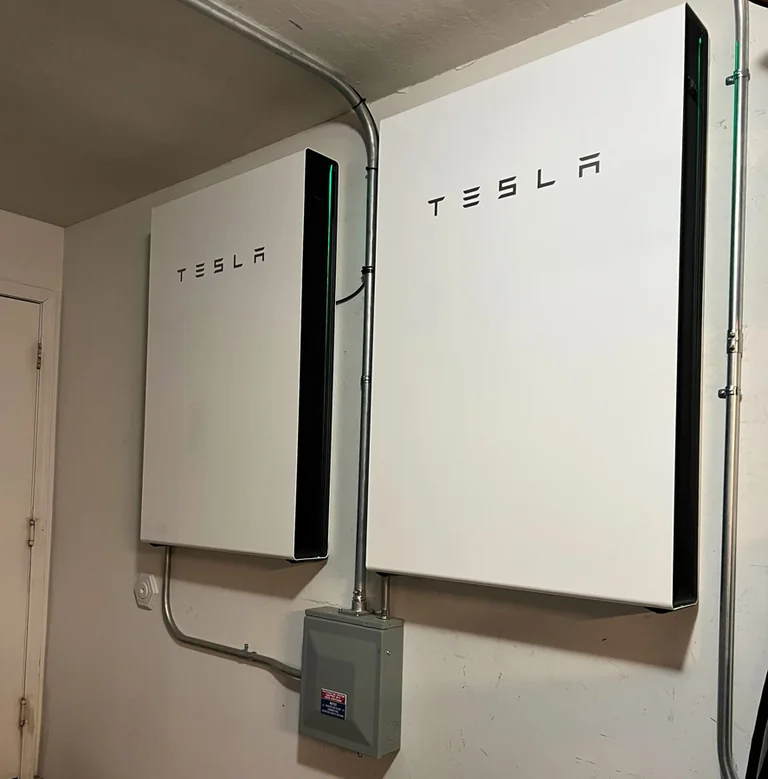
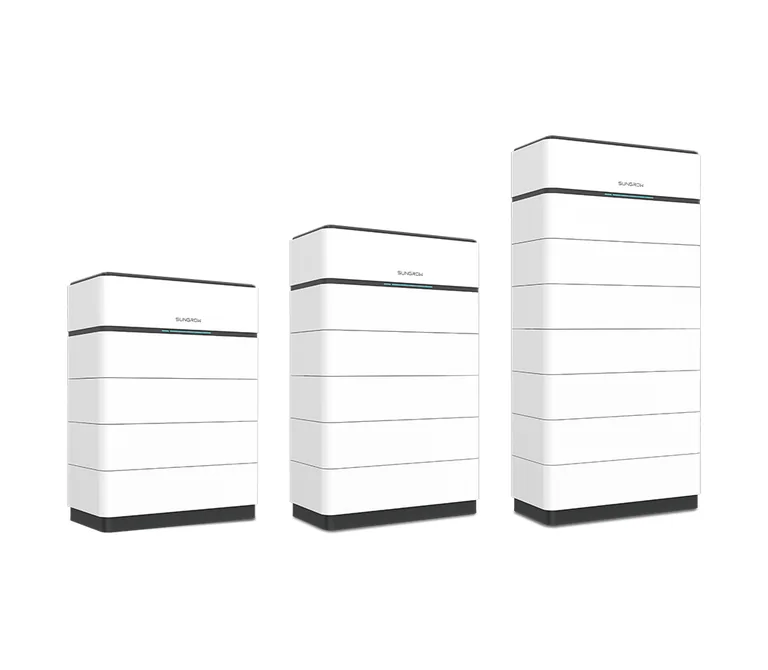
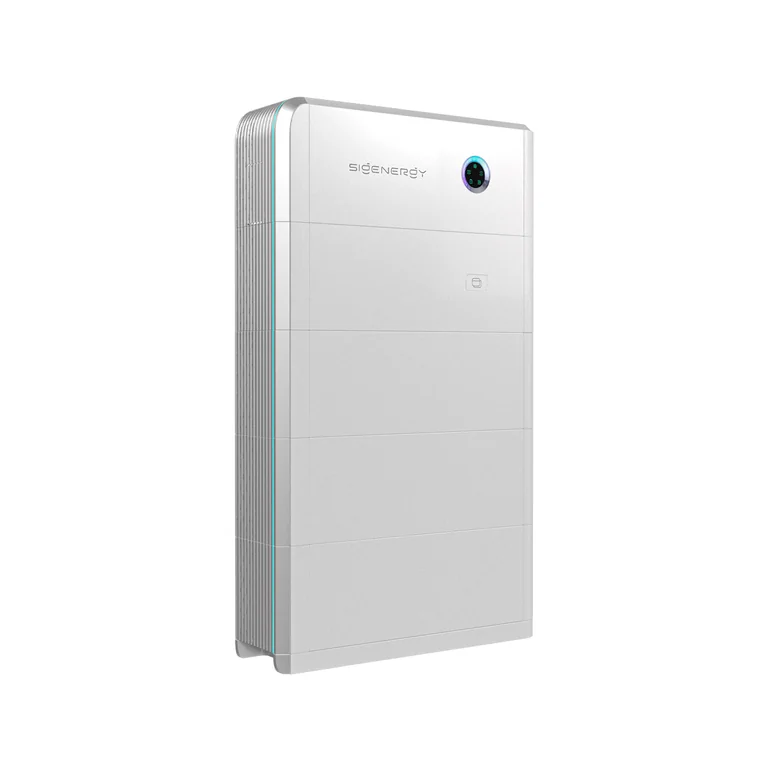
Plus GoodWe, SolaX, BYD and SMA - ask in your free quote.
Full brand and feature comparisonWhy us
Why Melbourne chooses Solar Batteries

Honest, right-sized systems
We size to your actual roof, load and goals, never to our margin. If a smaller system is the right call, that is what we quote.

Melbourne-wide, locally run
A Melbourne-based team covering the full metro and surrounding suburbs, so you get local knowledge, not a call centre.
Every major battery brand
Tesla, Sigenergy, Sungrow, SMA, BYD, GoodWe and SolaX. We are not tied to one brand, so the recommendation fits you, not a supplier.
Supply-only or full install
Want your own electrician to fit it? Supply-only is fine. Prefer it handled end to end? We design, install and commission.
VPP-ready from day one
We set systems up so you can join a Virtual Power Plant and earn credits when the grid draws on your stored power.
No pressure, no cost to quote
Free sizing and a clear written quote. No hard sell, no obligation and no surprise line items later.
Melbourne-wide
Areas we service
Our Melbourne-based team covers the full metro and surrounding suburbs. If you are in greater Melbourne, we are in your area.
Explore more
Related services
Good to know
Hybrid Solar + Battery Systems in Melbourne: your questions answered
Not always. If your existing panels are in good condition and performing well, and your inverter is being replaced with a hybrid unit, the existing panels can often be retained and connected to the new hybrid inverter. Compatibility depends on the panel specifications and the new inverter's input requirements. We assess this during the site visit.
Serving Melbourne metro to outer suburbs
Ready to get the right Hybrid Solar + Battery system for your property?
We size every system to your actual roof, load, and goals. Melbourne-wide, residential and commercial.