AI Overview
AC-coupled and DC-coupled describe how a home battery connects to solar panels. A DC-coupled battery runs through a hybrid inverter, one box that handles both the panels and the battery, so solar charges the battery directly and loses less energy on the way, typically 93 to 97 percent round-trip efficiency. An AC-coupled battery has its own inverter and sits alongside your existing solar inverter, which makes it the usual choice for adding a battery to existing solar, at around 85 to 92 percent efficiency. DC-coupled generally suits new solar and battery installs; AC-coupled generally suits retrofits.
Key highlights
- The difference is how the battery connects to your solar, through one inverter or two.
- DC-coupled uses a hybrid inverter and suits new solar and battery installs.
- AC-coupled keeps your existing inverter and suits adding a battery to solar you already have.
- DC-coupled loses a little less energy, about 93 to 97 percent round-trip against 85 to 92.
- For most homes the efficiency gap matters less than not replacing a working inverter.
First, what an inverter does
Solar panels produce direct current, called DC. Batteries store DC too. But the power points and appliances in your house run on alternating current, called AC. The inverter is the box on your wall that converts DC into AC so you can use it.
Every time power is converted, a little is lost as heat. That is the whole reason AC-coupled and DC-coupled behave differently. They take different routes from the panel to the battery to your kettle.
DC-coupled: one inverter does both jobs
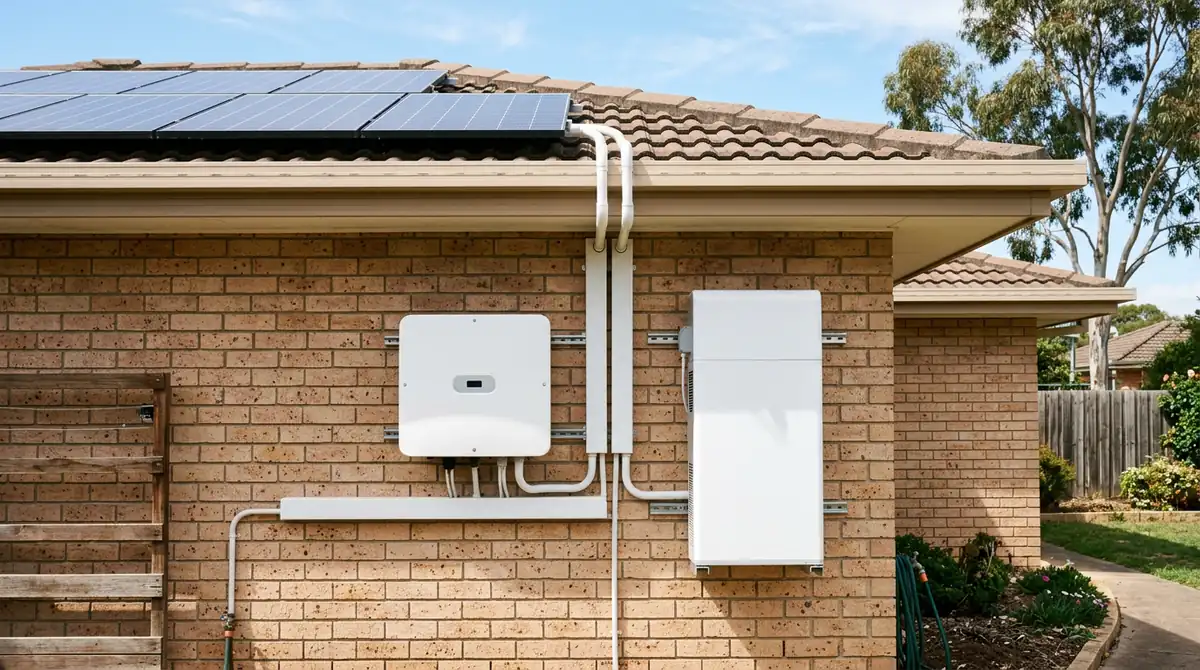
A DC-coupled system uses a hybrid inverter, one inverter built to handle both the solar panels and the battery. Solar power goes straight into the battery as DC, and is only converted to AC when the house needs it.
Fewer conversions means less energy lost. DC-coupled systems typically reach 93 to 97 percent round-trip efficiency, meaning that is the share of stored energy you get back out.
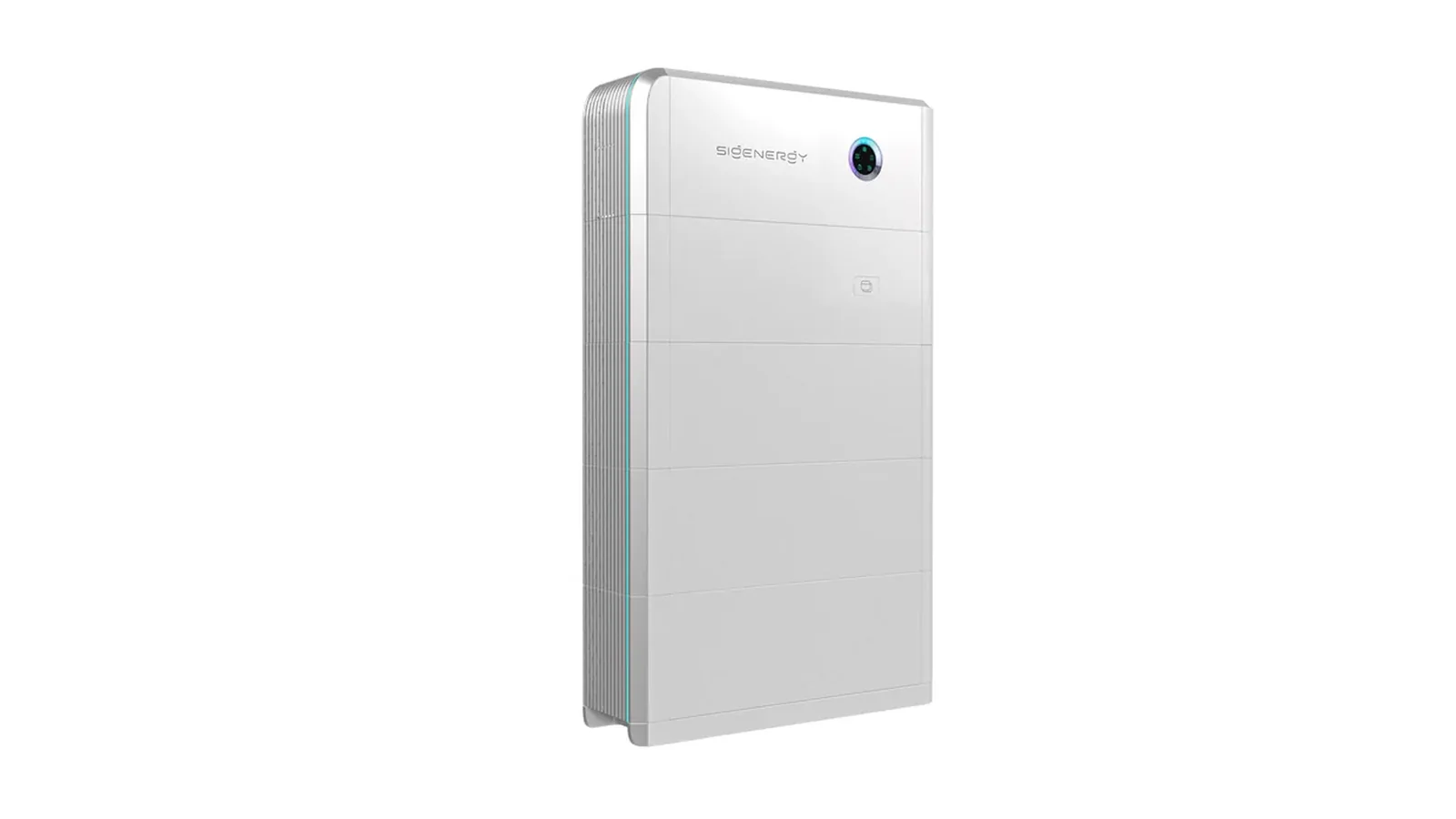
Some batteries build the hybrid inverter into the battery itself. The Tesla Powerwall 3 and the Sigenergy SigenStor both work this way, which is why they are tidy on a new install.
AC-coupled: the battery brings its own inverter
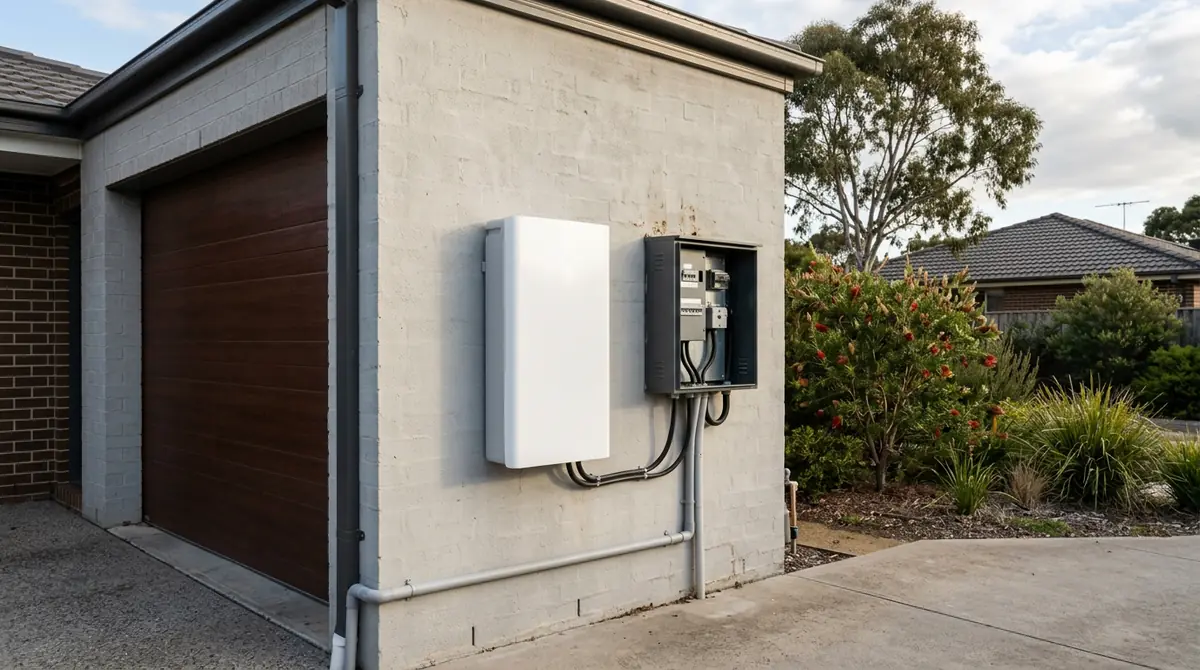
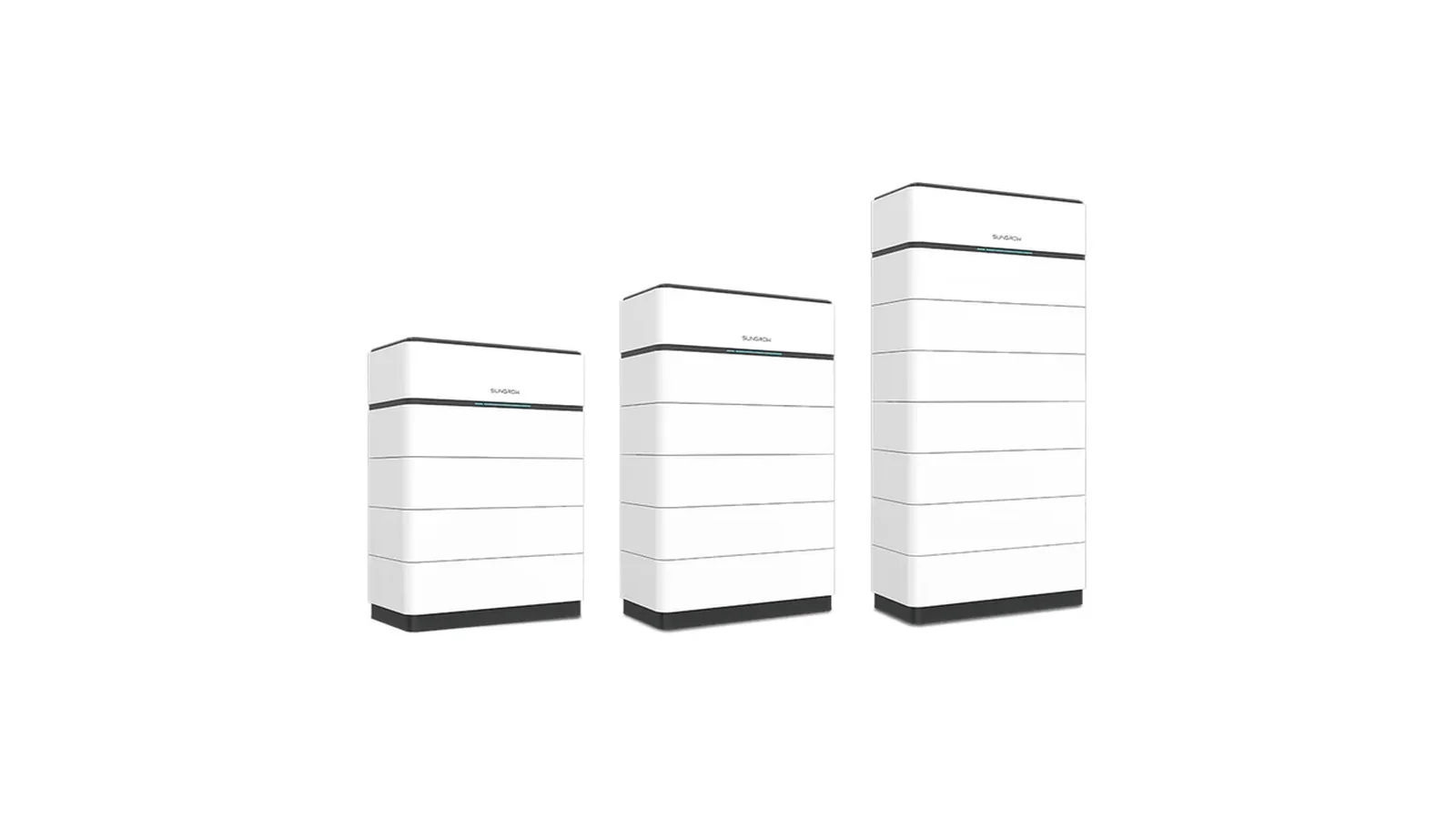
An AC-coupled battery has its own small inverter. Your solar inverter keeps doing its job, turning panel power into AC for the house. When there is spare, the battery's inverter converts it back to DC to store, then to AC again when you use it.
Those extra conversions cost a little energy. AC-coupled systems typically reach 85 to 92 percent round-trip efficiency. The upside is that nothing about your existing solar has to change.
Side by side
| DC-coupled | AC-coupled | |
|---|---|---|
| How it connects | Through a hybrid inverter shared with the panels | Through its own inverter, beside your solar inverter |
| Round-trip efficiency | About 93 to 97 percent | About 85 to 92 percent |
| Best fit | New solar and battery installed together | Adding a battery to solar you already have |
| Your existing inverter | Usually replaced | Kept |
| Adding more storage later | Depends on the hybrid platform | Usually straightforward |
Typical ranges. Your system's figures are confirmed in a written quote.
Which one suits your home
If your solar is a few years old and the inverter works well, replacing it just to go DC-coupled usually costs more than the efficiency gain is worth. An AC-coupled battery adds storage and leaves the rest alone.
If you are installing solar and a battery together, or your old inverter is near the end of its life, a hybrid DC-coupled system is usually the cleaner choice. One inverter does everything and you lose less energy along the way.
Ask this on any retrofit quote
Is my existing inverter being replaced, and if so, why? On a battery-only job that one question tells you whether you are paying for an inverter you already own.
For the bigger decision, whether to add a battery to what you have or start again with a new system, see our guide to hybrid systems vs battery retrofits.
Frequently Asked Questions
DC-coupled loses a little less energy, typically 93 to 97 percent round-trip efficiency against 85 to 92 percent for AC-coupled. But for a home that already has solar with a working inverter, AC-coupled is usually the better value because nothing has to be replaced.