AI Overview
A 10 kWh battery is enough for many Melbourne couples and small households using roughly 10 to 18 kWh a day, because it covers most of the evening and overnight use that solar cannot. Larger families, homes with ducted heating or cooling, and anyone charging an electric car at night usually outgrow it. A 10 kWh lithium iron phosphate (LFP) battery gives about 9 to 9.5 kWh of usable energy, so size against usable capacity, not the label. The quickest check is your bill: find your average daily use and work out how much of it happens after the sun goes down.
Key highlights
- For a couple or small household using 10 to 18 kWh a day, 10 kWh usually covers the evening and night.
- A family of four with heating, cooling or an electric car usually needs more.
- A 10 kWh LFP battery gives roughly 9 to 9.5 kWh you can actually use.
- Your bill already has the answer: daily use, and how much of it is after dark.
- In Melbourne, check the winter case, because shorter days mean less solar to refill the battery.
- If you are unsure, a modular battery lets you start near 10 kWh and add more later.
The short answer
A battery does one main job. It stores the solar power you make during the day so you can use it at night. So the real question is not how big your house is. It is how much power you use after the sun goes down.
A couple or a small household in Melbourne typically uses somewhere between 10 and 18 kWh a day. A good share of that is during the day, when solar covers it directly. What is left for the evening and overnight often fits inside a 10 kWh battery.
A family of four running heating or cooling every evening can use 20 to 30 kWh a day. An electric car charged overnight can add a lot on top. Those homes usually empty a 10 kWh battery well before morning.
10 kWh on the label is not 10 kWh to use
Every battery keeps a small reserve it never empties, to protect it and make it last. The amount you can actually use is called usable capacity. For the lithium iron phosphate batteries most installers now fit, often shortened to LFP, usable capacity is about 90 to 95 percent of the label.
So a 10 kWh battery gives you roughly 9 to 9.5 kWh a night. If you also set a backup reserve, a slice kept aside in case the power goes out, you use a little less again day to day.
When you compare quotes
Ask for usable capacity in writing. Two batteries sold as the same size can differ once the reserve is taken out, and that is the number your evening actually runs on.
Who 10 kWh usually suits
- Couples and small households using up to about 18 kWh a day.
- Homes where someone is around in the day, so dishwashers, washing and cooking can run on solar directly.
- Gas-heated homes, where winter evenings do not lean on the battery for heating.
- Houses with a smaller solar system that would struggle to refill a much bigger battery anyway.
Who usually outgrows it
- Families using 20 kWh a day or more, especially with most of it in the evening.
- Homes heating with a split system or ducted reverse cycle on cold Melbourne nights.
- Anyone charging an electric car overnight, which can use more than the whole battery holds.
- Homes that want backup for long outages, not just the evening.
None of these mean a 10 kWh battery is useless for that home. It will still cover part of the evening. It just will not take you through to morning, and you will buy the rest from the grid at night rates.
Melbourne winters change the answer
On a good summer day a Melbourne solar system has seven to nine hours of useful sun. On a good winter day it is closer to four to six. A battery that fills easily in January may only half fill on a grey day in June.
Winter is also when evening use goes up, with heating and longer nights. So a 10 kWh battery can feel plenty in summer and short in winter. If your winter bills are much higher than your summer ones, size with winter in mind.
Check it against your own bill
- 1Find your average daily use in kWh. It is on most bills, or in your retailer's app.
- 2Work out roughly how much of that is after dark. If your retailer shows usage by time of day, use that. If not, think about when the house is busy.
- 3Compare your after-dark use to about 9 kWh, the usable energy in a 10 kWh battery. If it is close or under, 10 kWh is likely enough. If it is well over, look at a bigger battery.
Our full guide to what size battery a Melbourne home needs goes through the sizing in more detail, including backup and electric cars.
Not sure? Start smaller and add later
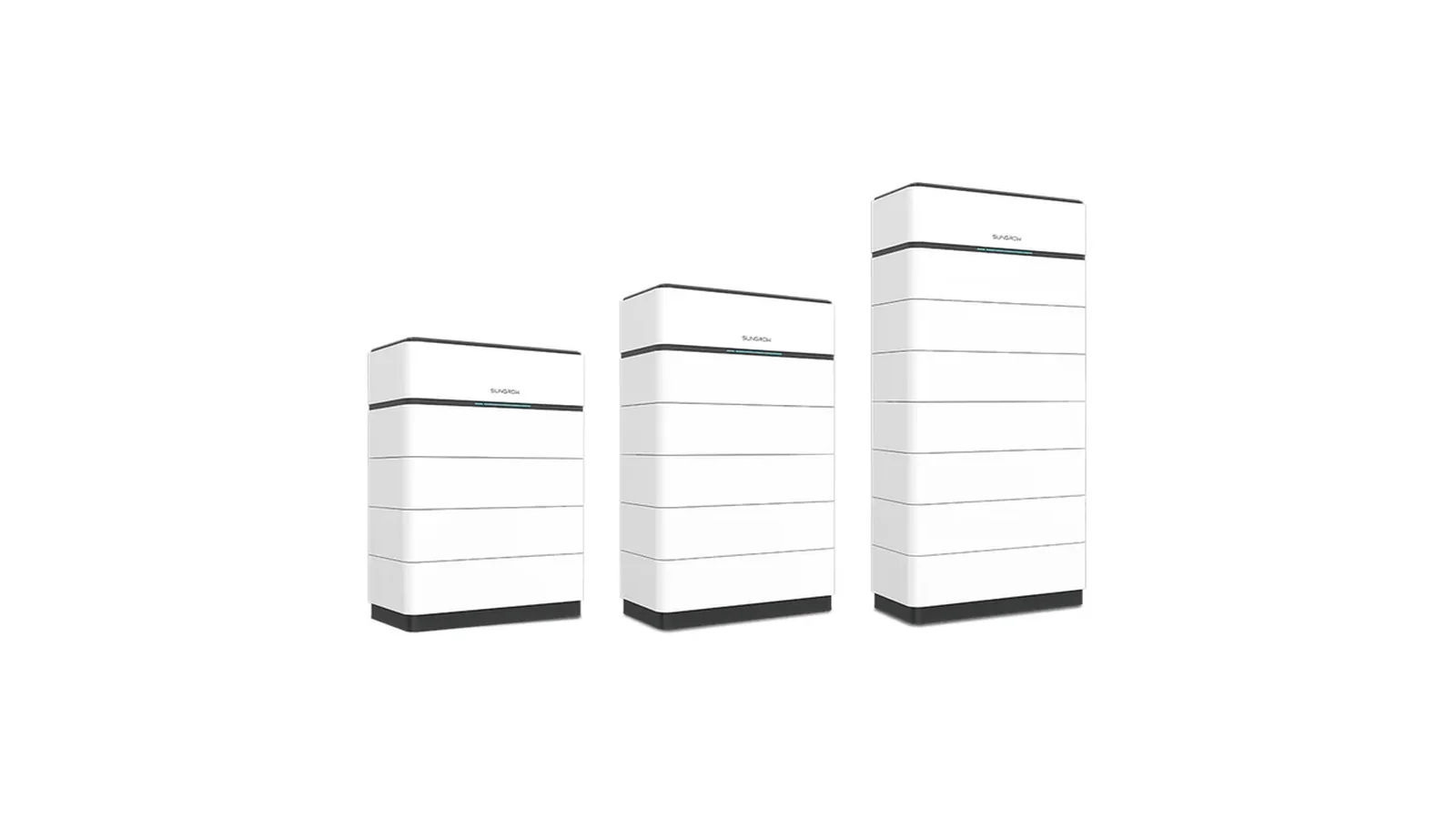
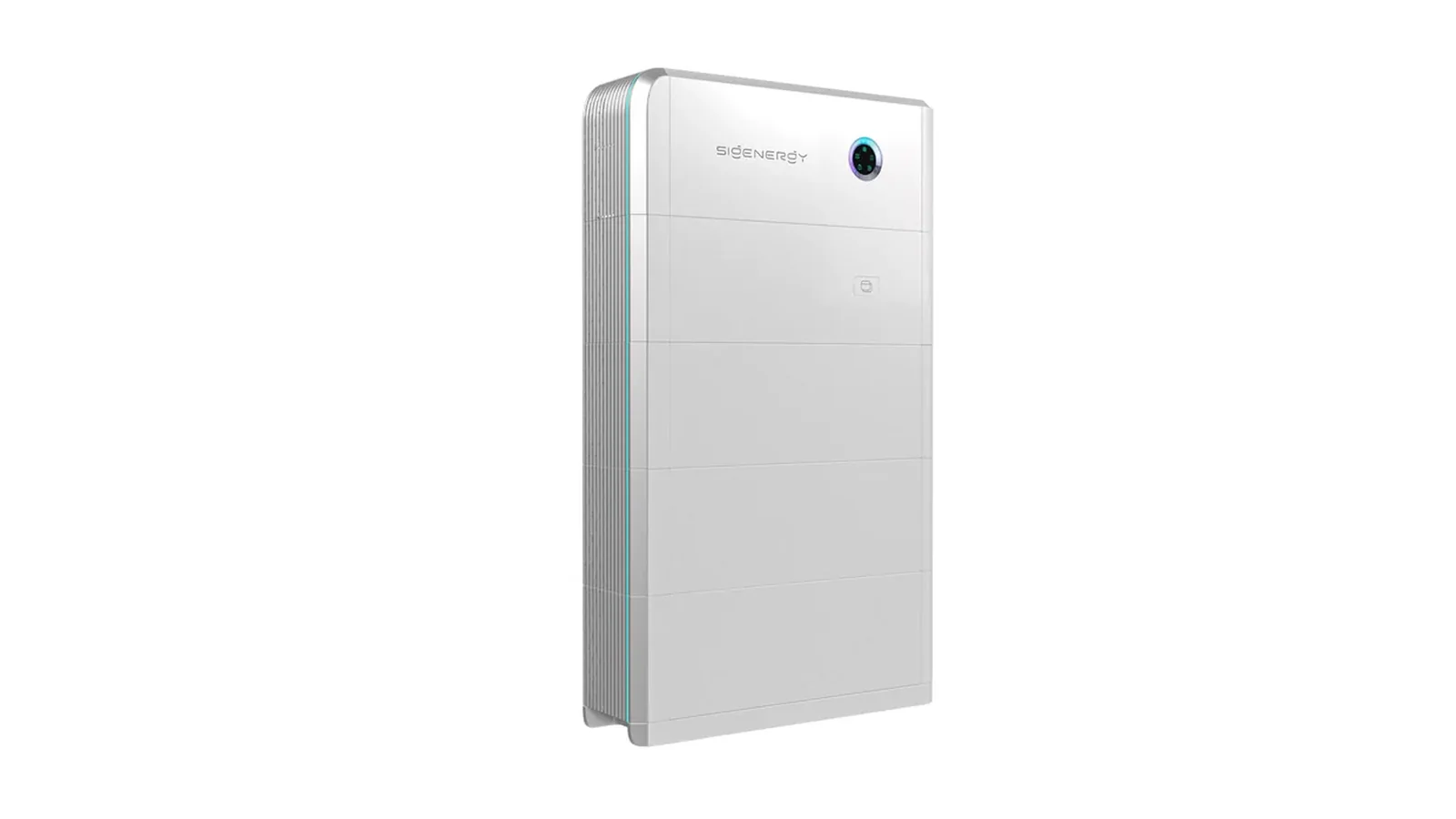
Some batteries come in modules, building blocks you can add to later. Sigenergy, for example, grows in 5 kWh steps. If you think you might add an electric car or swap gas for electric heating in a few years, that is worth more than guessing the size perfectly today.
Size also affects the federal battery rebate. Since 1 May 2026 the rebate tapers on larger batteries, with the full rate applying up to 14 kWh. A 10 kWh battery sits comfortably inside that, which is one reason it remains a popular size. Rebate details change, so we confirm the current position in every quote.
Frequently Asked Questions
It depends on what is running. A quiet house with a fridge, lights, TV and some cooking might use 1 kWh an hour or less through the evening, so roughly 9 kWh of usable energy can last the night. Heating, cooling or an electric car charging can empty it in a few hours.