AI Overview
Tesla Powerwall, Sungrow, and Sigenergy SigenStor are three of the most commonly installed battery brands in Melbourne homes in 2026. Each suits a different profile: Powerwall fits large households that want whole-home backup and VPP eligibility; Sungrow fits homes wanting a widely-supported brand with a broad product range covering retrofit and new-install; and Sigenergy suits households that want scalable high-capacity storage and a modern hybrid inverter platform.
Key highlights
- Tesla Powerwall is a single large unit designed for whole-home backup and grid export events.
- Sungrow is one of the largest inverter and battery manufacturers globally, with strong AU market presence and after-sales support.
- Sigenergy SigenStor is a scalable platform aimed at households wanting more than 10 kWh of usable storage.
- All three use lithium iron phosphate (LFP) chemistry, which is stable, long-cycle, and does not require active cooling.
- No single brand is objectively best - the right choice depends on your existing solar setup, load profile, and backup goals.
- The brand comparison table in this guide covers usable capacity, backup capability, VPP compatibility, and scalability - without pricing.
Why Brand Choice Matters More Than You Think
When homeowners start researching solar batteries, the conversation often starts and ends with capacity - how many kilowatt-hours can it hold? That number matters, but it is only one part of the decision. The brand you choose determines how the battery integrates with your existing solar inverter, whether it can participate in a Victorian Virtual Power Plant (VPP), how the system behaves during a grid outage, and how many units you can add later if your needs change.
In Melbourne, several brands account for the majority of residential installs in 2026, with Tesla Powerwall, Sungrow, and Sigenergy SigenStor frequently specified. This guide covers what actually differentiates them, in plain language, without a price comparison.
Note on pricing
This guide deliberately does not include price figures. Battery installed costs shift frequently, depend heavily on your existing system, and any number we publish today may mislead you tomorrow. Get a free quote that reflects your actual setup.
Tesla Powerwall: What It Does Well
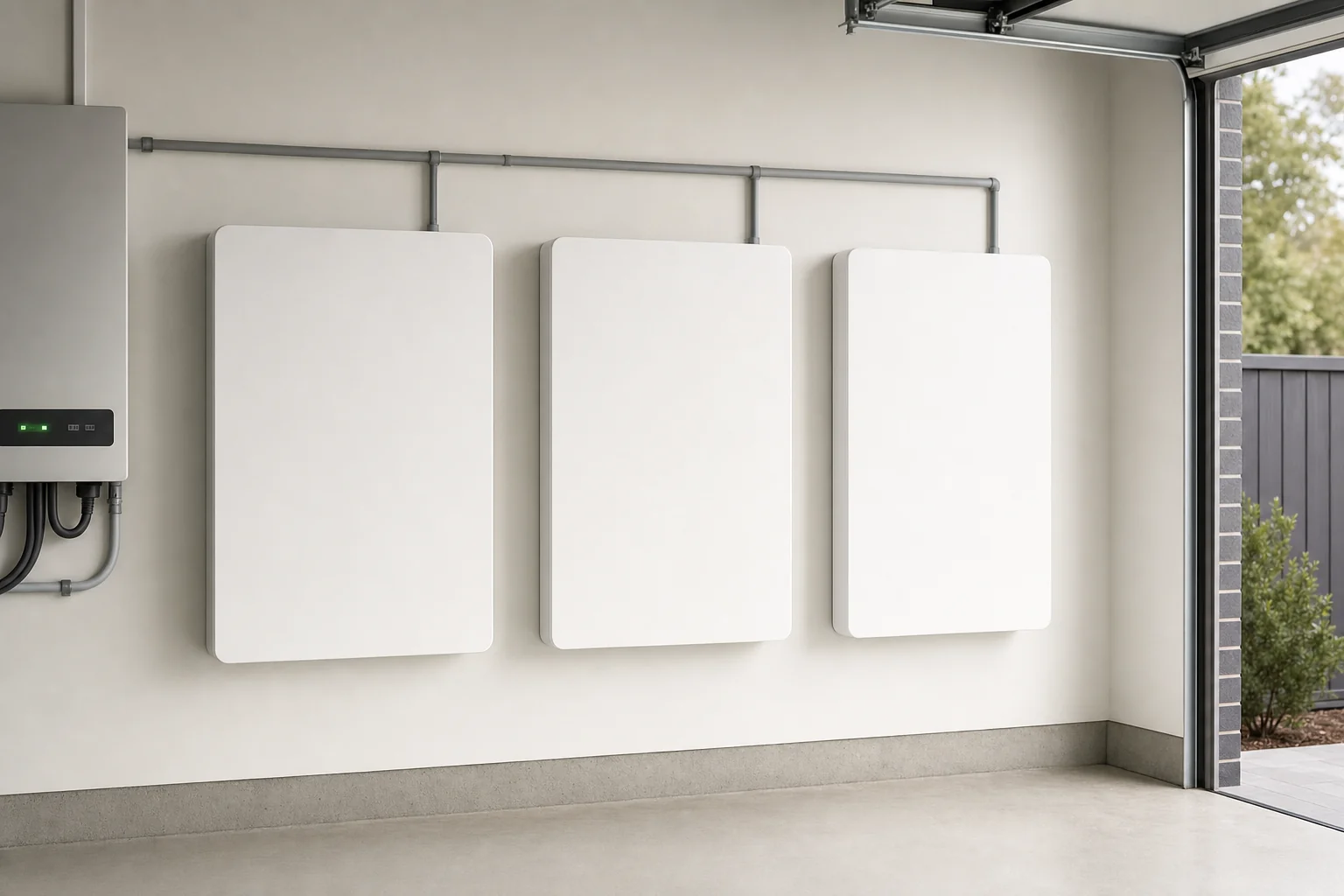
The whole-home backup story
The Powerwall is a single large unit - the current generation delivers 13.5 kWh of usable capacity from one module. For a typical Melbourne household running 15 to 25 kWh per day, a single Powerwall covers a meaningful portion of overnight and morning demand, or provides a full day of backup for a more conservative household.
What sets the Powerwall apart is its gateway system. The Tesla Energy Gateway handles automatic grid detection - when the grid drops, the system islands and switches your home over to battery power within milliseconds. You can run the whole home, not just a few critical circuits. For households that have experienced outages or want genuine energy independence, this whole-home capability is the main draw.
VPP and app ecosystem
The Powerwall integrates with Tesla's Virtual Power Plant programs in Victoria. During peak demand events, Tesla's network can draw on stored energy from enrolled households, and owners receive bill credits in return. The Tesla app shows real-time generation, storage state, and consumption, which Melbourne households generally find easy to read.
- Usable capacity: 13.5 kWh per unit (up to three units can be stacked).
- Whole-home backup: automatic switchover via the Energy Gateway, milliseconds of transition time.
- VPP eligible: participates in Tesla VPP and other Victorian network programs.
- Chemistry: lithium iron phosphate (LFP), no active cooling required.
- Warranty: typically 10 years to a specified end-of-warranty capacity (check current Tesla warranty terms).
- Best suited to: larger households wanting whole-home backup and VPP participation.
Sungrow: High-Volume Residential and Commercial Storage
One of the largest manufacturers in the AU market
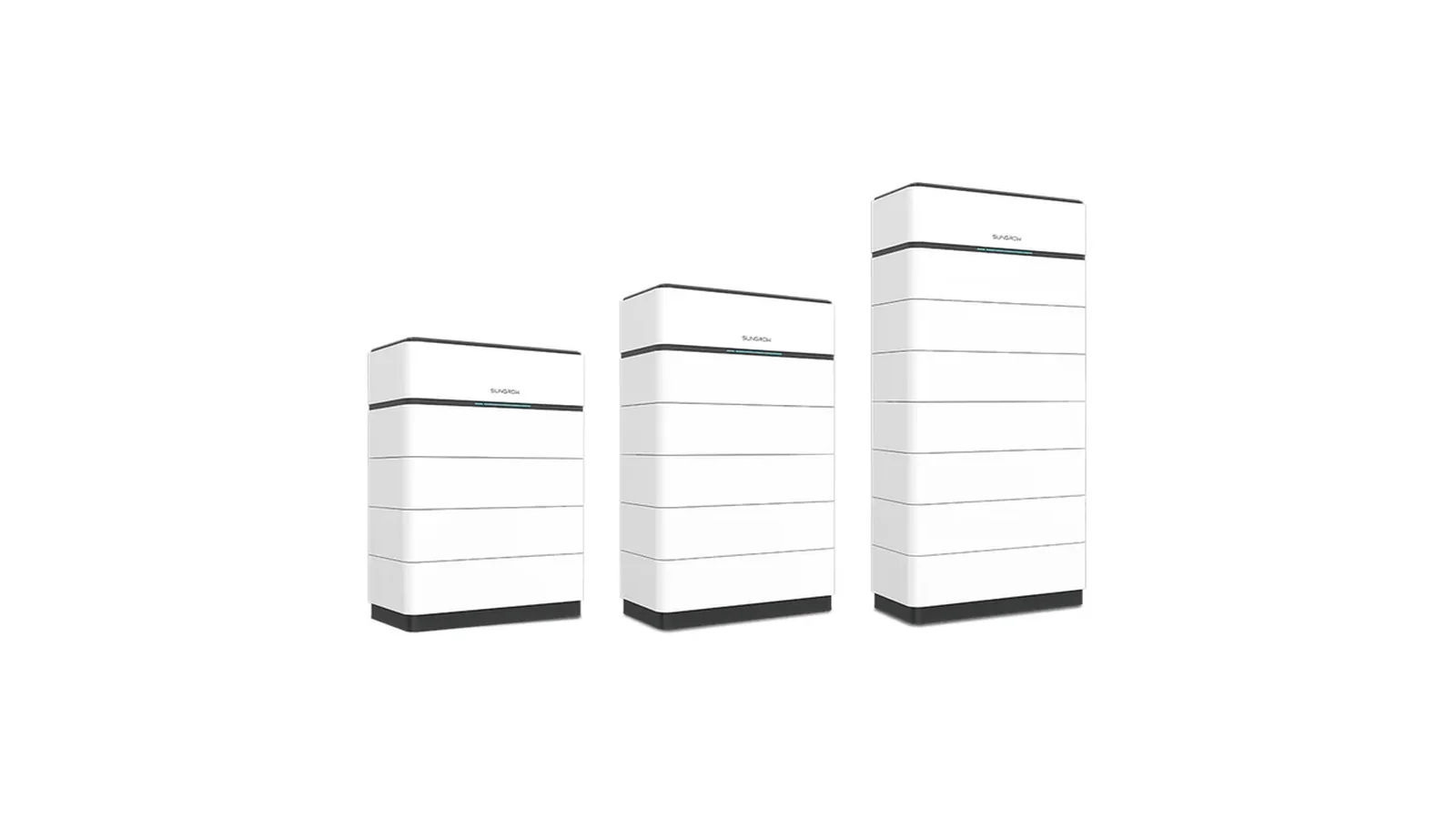
Sungrow is one of the largest inverter and battery storage manufacturers in the world, with a well-established presence in the Australian residential and commercial solar market. The SBR residential battery range covers usable capacities from 9.6 kWh up to 25.6 kWh per unit, and the modular SBR architecture allows capacity to grow without replacing the base system.
The SH hybrid inverter series is a particularly common pairing for Melbourne new-install projects. It handles solar input, battery charging and discharging, and grid management in a single unit, which simplifies commissioning and gives homeowners a single monitoring interface. For retrofit projects on existing solar systems, Sungrow batteries can also be configured in AC-coupled mode with compatible inverters.
Backup capability and VPP compatibility
Backup power is available on the SH hybrid inverter range via a backup interface box. When the grid drops, the system islands and continues powering the home from stored battery energy and any ongoing solar generation. VPP participation is supported across multiple Victorian programs, making Sungrow a practical choice for households wanting to enrol from day one.
Already have a Sungrow solar inverter?
If your existing solar system runs a Sungrow string inverter, adding a Sungrow battery often simplifies the installation and keeps monitoring within a single app. Compatibility should be confirmed at quote stage, as firmware versions matter for native battery pairing.
- Usable capacity: 9.6 kWh to 25.6 kWh per residential unit via modular SBR modules.
- Backup available on the SH hybrid inverter range with a backup interface box.
- AC and DC-coupled configurations available depending on the install scenario.
- Sungrow app: real-time generation, battery state and consumption monitoring.
- Chemistry: LFP, no active cooling required.
- Best suited to: homes wanting a widely-supported brand for both retrofit and new hybrid installs.
Sigenergy SigenStor: The Scalable Platform
Sigenergy is a newer name to most Melbourne homeowners, but the SigenStor platform has gained rapid traction because of its flexible architecture. It is a DC-coupled system that integrates a hybrid inverter, battery modules, and an EV charger (optional) into a single connected platform. The battery modules are stackable, making it straightforward to install a larger system from day one or expand later.
The SigenStor targets households that want higher total capacity - think two or more adults with electric vehicle charging, home office loads, or heating and cooling running across multiple zones. It is also increasingly specified for commercial battery projects where a single cohesive platform matters.
- DC-coupled hybrid inverter: charges the battery directly from panels at higher efficiency than AC-coupled alternatives.
- Stackable modules: capacity scales in roughly 5 kWh increments, from a modest entry point to whole-home plus EV charging.
- EV charger integration: an optional bidirectional charger sits within the same platform.
- VPP eligible: the platform supports Victorian VPP programs.
- Best suited to: households wanting high total capacity, EV integration, or a single hybrid platform replacing an ageing string inverter.
How the Main Brands Compare Side by Side
The table below compares three commonly installed brands in Melbourne across the dimensions that actually affect your decision. There is no price column because installed costs depend on your existing system, roof, switchboard configuration, and current incentive eligibility - all things we work through in your free quote.
| Feature | Tesla Powerwall | Sungrow (SBR + SH series) | Sigenergy SigenStor |
|---|---|---|---|
| Usable capacity (per unit) | 13.5 kWh | 9.6 kWh to 25.6 kWh (modular SBR) | Modular (~5 kWh steps) |
| Coupling type | AC-coupled | AC or DC depending on config | DC-coupled hybrid |
| Whole-home backup | Yes (with Gateway) | Yes (with backup interface box) | |
| VPP eligible (Vic) | |||
| EV charger integration | Via separate Tesla charger | Via separate unit | Yes (optional module) |
| App monitoring | Tesla app | Sungrow app | Sigenergy app |
| Chemistry | LFP | LFP | LFP |
| Best suited to | Large households, whole-home backup, VPP | Broad market, retrofit and new hybrid installs | High capacity, EV, hybrid upgrade |
Feature comparison indicative for 2026. Specs subject to manufacturer updates - verify at quote stage.
Which Brand Suits Which Situation?
- 1
You have an existing SolarEdge, Fronius, or SMA string inverter
AC-coupled options - Tesla Powerwall or a compatible Sungrow battery - slot in without replacing your inverter. Powerwall suits if you want whole-home backup and a large single unit. Sungrow suits if you want a modular and scalable approach.
- 2
You have an existing Sungrow solar inverter
A Sungrow battery often pairs cleanly with an existing Sungrow string or hybrid inverter, keeping monitoring in one app and simplifying the install. Confirm compatibility at quote stage - firmware versions matter.
- 3
Your existing inverter is ageing or due for replacement
A DC-coupled hybrid platform like Sigenergy makes sense here. You replace the inverter and add storage in one project, avoiding two separate upgrades.
- 4
You have an EV or are planning to get one
Sigenergy's integrated EV charger option and bidirectional capability make it the front-runner for whole-energy-system households.
- 5
You want the largest backup capability for the least disruption
Tesla Powerwall with its Energy Gateway handles whole-home automatic switchover in milliseconds and stacks up to three units for larger households.
Questions to Ask Before You Commit
Choosing a battery brand is not purely a feature exercise. The quality of the installer, the after-sales support available in Melbourne, and how well the battery integrates with your specific switchboard setup all matter as much as the spec sheet.
- Is this battery compatible with my existing inverter model and firmware version?
- Does my switchboard need an upgrade to support this installation?
- Is this battery pre-approved for VPP enrolment with Victorian network programs?
- What does the warranty actually cover and who handles warranty claims in Melbourne?
- Can I add more capacity later, and what does that expansion look like?
- How does the system behave when the grid is down - partial or whole-home backup?
Get a system-specific recommendation
The right battery brand for your home depends on your inverter, your load profile, your backup goals, and current incentive availability. We put all of this together in a free, no-pressure quote tailored to your actual setup.
Frequently Asked Questions
There is no single best brand - the right choice depends on your existing inverter, how much storage you want, whether you want whole-home backup, and whether you plan to enrol in a VPP. Tesla Powerwall suits large households wanting automatic whole-home backup. Sungrow suits homes wanting a broadly supported brand for both retrofit and new hybrid installs. Sigenergy SigenStor suits households wanting high capacity or EV integration.