AI Overview
Most home solar batteries sold in Australia carry a 10 year warranty, and the common industry guarantee is that the battery still holds at least 70% of its original usable capacity at the end of that term. A battery does not stop working at 10 years. It fades gradually, so a well sited unit often keeps running usefully well beyond its warranty, just with less capacity than when it was new. What shortens that life is heat, deep daily cycling and poor siting, which is why where the battery is mounted matters as much as which one you buy.
Key highlights
- Ten years is the standard warranty term on home batteries sold in Australia, not the point the battery stops working.
- The meaningful promise is capacity retention: typically at least 70 percent of original usable capacity at end of term.
- Batteries fade gradually rather than failing suddenly, so most keep working past warranty with reduced capacity.
- Heat is the main enemy of battery life, which makes siting and shade more important than most people expect.
- Melbourne's mild climate is kinder to batteries than the hotter parts of Australia.
- Cycling deeply every single day ages a battery faster than moderate daily use.
- Check the warranty term, the capacity retention figure and any throughput limit together, since all three apply.
The Short Answer
Ten years is the number you will see on almost every home battery sold in Australia. It is worth understanding what that decade actually represents, because it is not a use by date.
A lithium battery does not run perfectly for ten years and then stop. It loses a little usable capacity each year, slowly and predictably. The warranty is the manufacturer putting a floor under how much it is allowed to lose.
Warranty end is not battery end
A battery at the end of its warranty term is a battery holding less capacity than when it was new, not a battery that has stopped. Plenty keep doing useful work afterwards. What changes is how much you can store on a given day.
What the 10 Year Warranty Actually Promises
Read past the headline number and a battery warranty usually has two or three parts working together. Whichever limit you reach first is the one that ends the cover.
- The term. How many years the cover runs, most commonly ten.
- Capacity retention. The percentage of original usable capacity the manufacturer guarantees the battery will still hold at the end of the term.
- Throughput or cycles. On some products, a limit on total energy put through the battery, or a rated number of charge and discharge cycles.
That third one catches people out. A battery worked hard every day can reach a throughput limit before it reaches ten calendar years, which is one reason a system sized properly for your home tends to outlast one sized too small and cycled to its limits daily.
| Battery | Warranty as published |
|---|---|
| Tesla Powerwall | 10 year performance warranty |
| Sigenergy SigenStor | 10 year warranty |
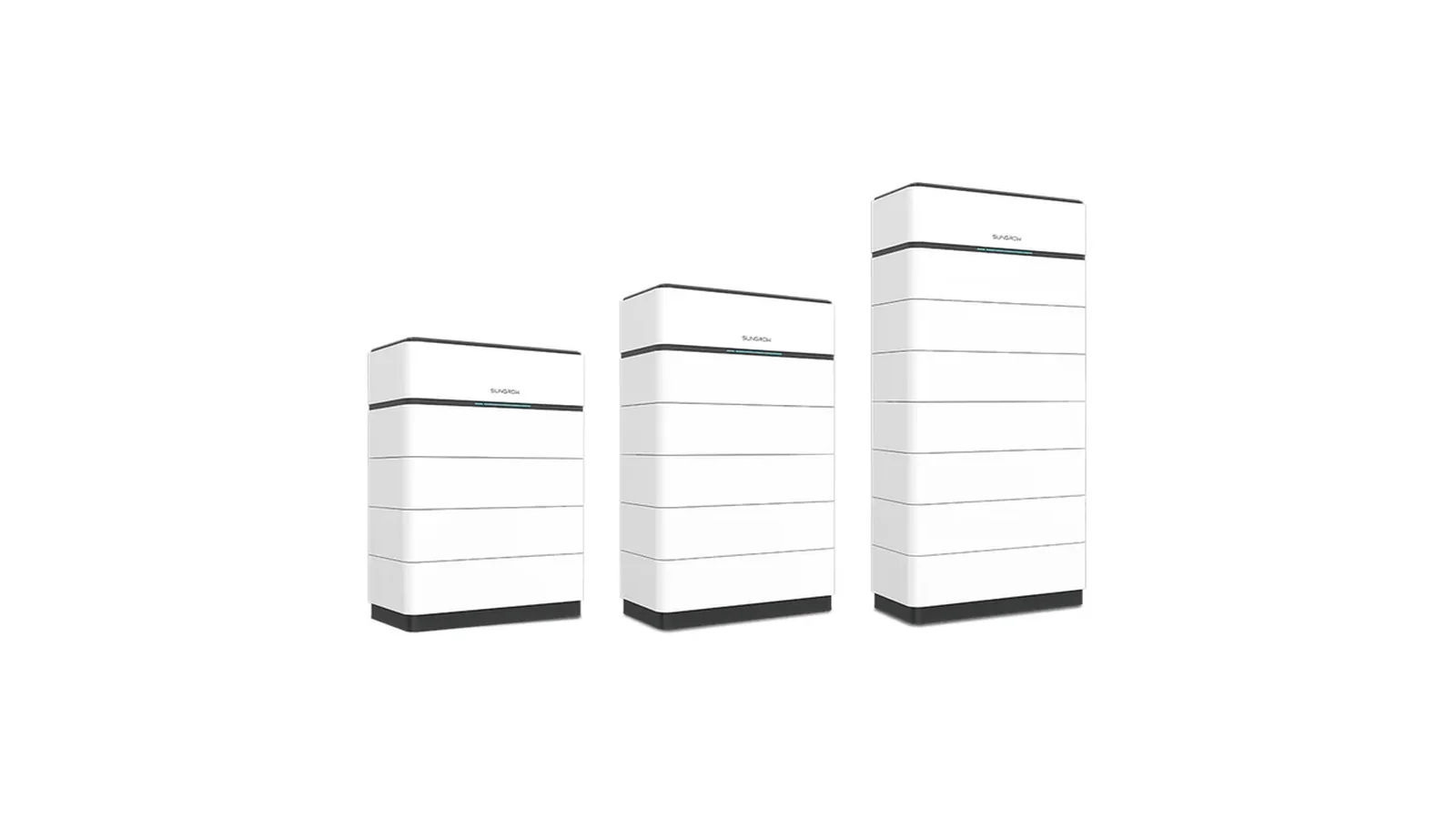
| Sungrow | 10 year warranty |
| GoodWe Lynx Home | 10 year product and performance warranty, 70% capacity retention |
| SolaX Triple Power T-BAT | 10 year warranty, 70% capacity retention at end of term, rated for approximately 6,000 cycles |
| BYD Battery-Box Premium | 10 year product warranty |
| SMA Home Storage | 10 year product warranty, 12 year performance guarantee at 70% capacity retention |
Warranty terms for the battery ranges we install, as published by each manufacturer. Confirmed on your written quote.
Ask for the warranty document, not the brochure line
The conditions that matter, throughput limits, siting requirements, temperature ranges and what counts as a valid claim, are in the warranty document rather than the sales sheet. Any installer should hand it over before you sign, and we include it with the quote.
What Actually Wears a Battery Out
Two identical batteries installed on the same day can be in noticeably different condition a decade later. The difference is rarely the badge on the front.
Heat
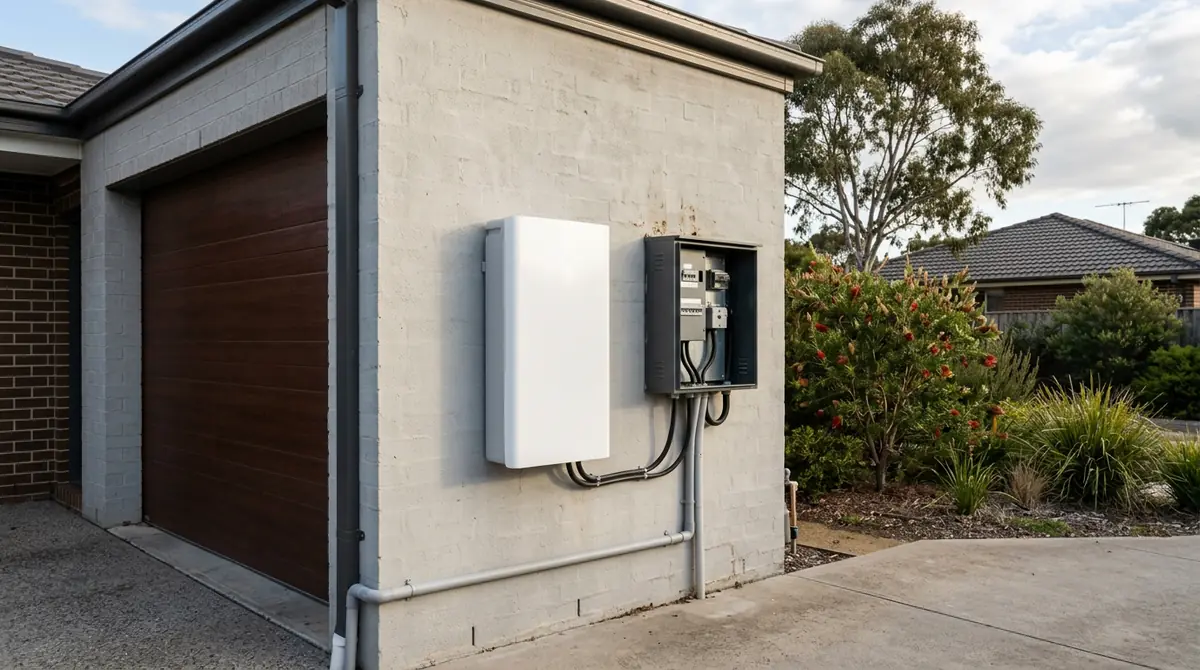
Temperature is the single biggest factor. Lithium cells age faster when they run hot, and a battery mounted where it bakes in afternoon sun will fade faster than the same unit in a cool garage. This is the part most within your control and the part most often ignored.
How deeply it cycles
Emptying a battery to its floor and refilling it every single day is harder on it than using part of its capacity. A battery sized with a little headroom for your household does less work per cycle and tends to age more gently.
Sitting full or empty
Long periods at either extreme are not ideal for lithium chemistry. In normal daily solar use this rarely comes up, since the battery is cycling. It matters more if a system sits idle for a long stretch, such as a holiday home left unused over winter.
Ages more slowly
- Cool, shaded, well ventilated position
- Sized with headroom for the household
- Moderate daily cycling
- Commissioned and monitored properly
Ages faster
- Mounted in direct afternoon sun
- Undersized and emptied every day
- Left sitting at full or empty for long stretches
- Installed without regard to the warranty's siting conditions
Does Melbourne's Climate Help or Hurt?
If heat is what ages a battery, then where you live matters. Melbourne is easier on battery hardware than the hotter and more humid parts of the country, where units spend months at high ambient temperature.
That is not a free pass. Melbourne still gets stretches of genuinely hot days, and a battery on a west facing brick wall with no shade will feel every one of them. The advantage is real but it is an advantage in the climate, not in the mounting position.
Where it goes matters more than most people think
Siting is decided once, on install day, and then lives with the battery for its whole life. A shaded, ventilated spot on a cooler wall costs nothing extra at the time and pays back in retained capacity years later. It is one of the first things we look at during a site assessment.
What Happens After the Warranty Runs Out
A battery holding around 70% of its original usable capacity still stores and delivers power. What it no longer does is carry the household as far into the night as it once did.
In practice that shows up gradually. The evening the battery used to cover comfortably starts drawing a little from the grid before sunrise. Nothing breaks, the numbers just move.
At that point there are usually three sensible options, and which one fits depends on the system rather than on the calendar.
- 1Keep using it. Reduced capacity is still capacity, and a working battery owes you nothing after its warranty term.
- 2Add capacity. Several of the systems we install are modular, so another module can be added rather than replacing the whole unit, subject to the manufacturer's rules on how long after the original install that is allowed.
- 3Replace it. Worth considering when the hardware is genuinely near end of life, or when the household's usage has changed enough that a different size makes more sense.
Check expansion windows before you count on them
Modular systems that can be expanded often require additional modules to be added within a set period after the original installation. If growing the system later is part of your plan, confirm that window before you choose the product, not afterwards.
How to Get the Most Life Out of Yours
- 1
Site it somewhere cool
Shaded, ventilated, out of direct afternoon sun, and within the temperature range the warranty specifies. This decision is made once and cannot be changed cheaply later.
- 2
Size it for your household
A battery with a little headroom cycles less deeply than one that is emptied every night, and does less work over its life for the same result.
- 3
Have it commissioned properly
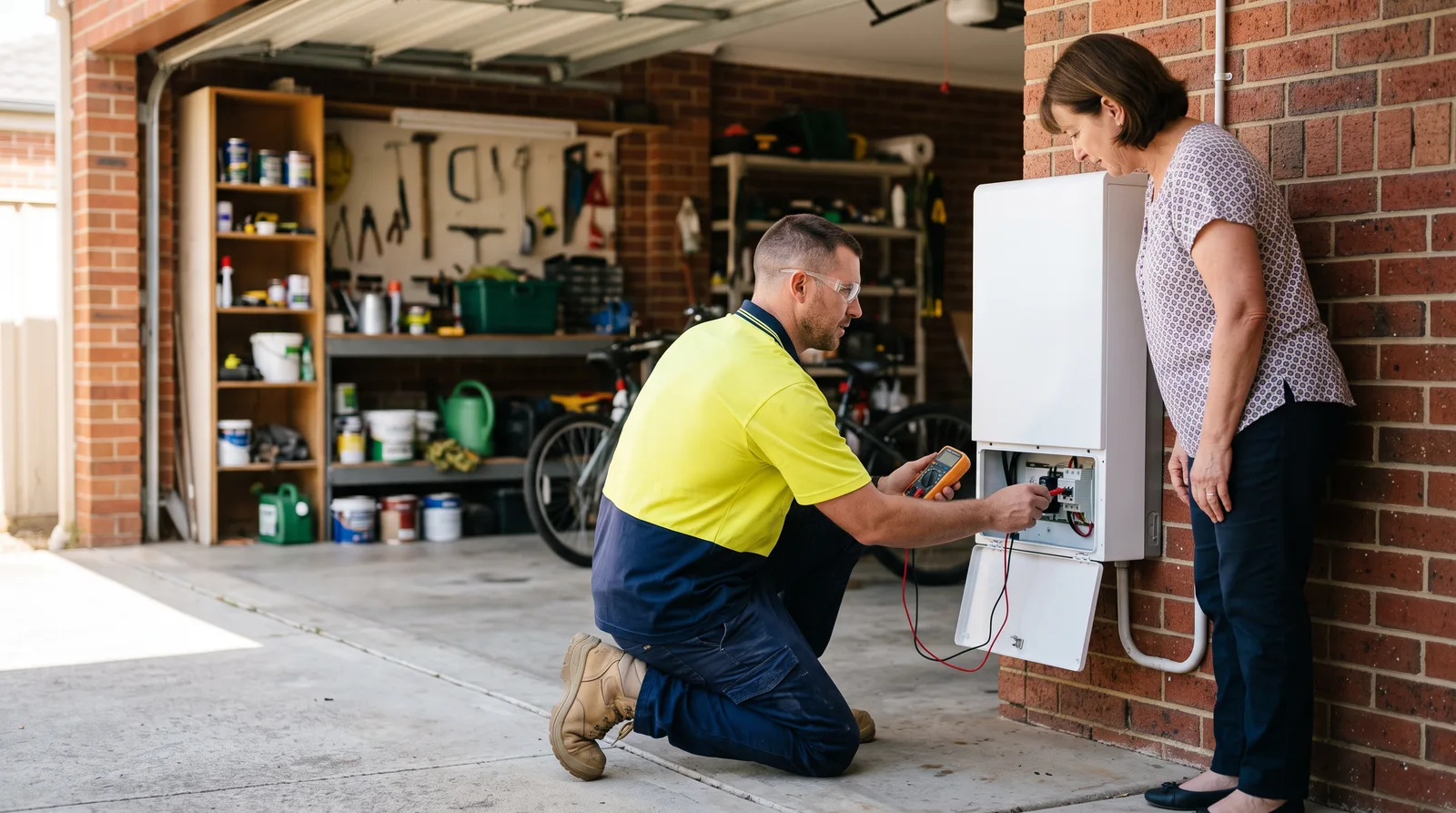
Correct configuration at handover, with monitoring switched on, so that a developing problem is visible early rather than discovered years later.
- 4
Keep an eye on the monitoring
You do not need to check it daily. Knowing roughly what a normal week looks like means you notice when something changes.
Notice how little of that is about the brand. Choosing a good battery matters, and we are happy to talk through the differences, but a well chosen battery in a hot, cramped position will not outlast a mid range one installed properly in the shade.
Frequently Asked Questions
Home batteries sold in Australia typically carry a 10 year warranty, with manufacturers commonly guaranteeing that the battery still holds at least 70 percent of its original usable capacity at the end of that term. Most keep working past that point with gradually reduced capacity rather than failing outright.