AI Overview
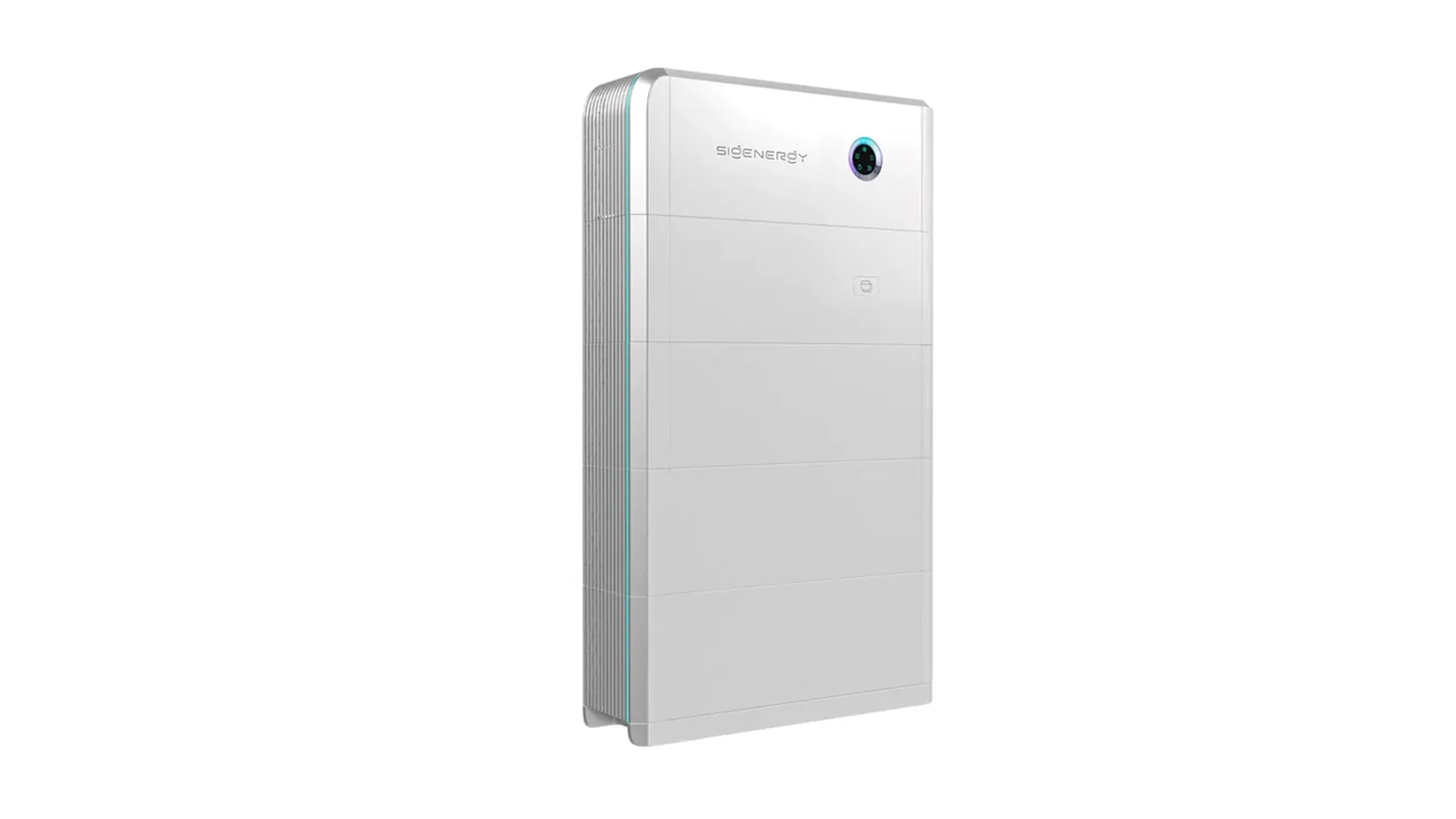
The Sigenergy SigenStor is a modular battery that scales from 5 kWh per module up to commercial size, and it includes a hybrid inverter in the same stack. That makes it a strong choice for a new solar and battery install and a poor one for adding storage to an existing solar system, because you would be paying for an inverter you already have. It uses LFP chemistry, carries a 10-year warranty, offers whole-home and commercial backup, and stands on the floor or mounts in a rack indoors. It suits larger homes and commercial sites that expect their power use to grow. Note the voluntary recall issued in November 2025 on the single-phase 8, 10 and 12 kW energy controllers, published by the ACCC, which covered the controller and not the battery modules.
Key highlights
- Modular from 5 kWh per module, so the system can grow without replacing the hardware you already paid for.
- The hybrid inverter is built into the stack, which makes it clean for new installs and wasteful for retrofits.
- LFP chemistry and a 10-year warranty, the same chemistry family as most quality batteries sold here now.
- Whole-home and commercial backup, not just a few circuits.
- Floor-standing or rack-mounted, and it needs indoor space. That rules out some houses before anything else does.
- A voluntary recall was issued in November 2025 on the single-phase 8, 10 and 12 kW energy controllers. Ask whether the unit in your quote is affected.
What the SigenStor actually is
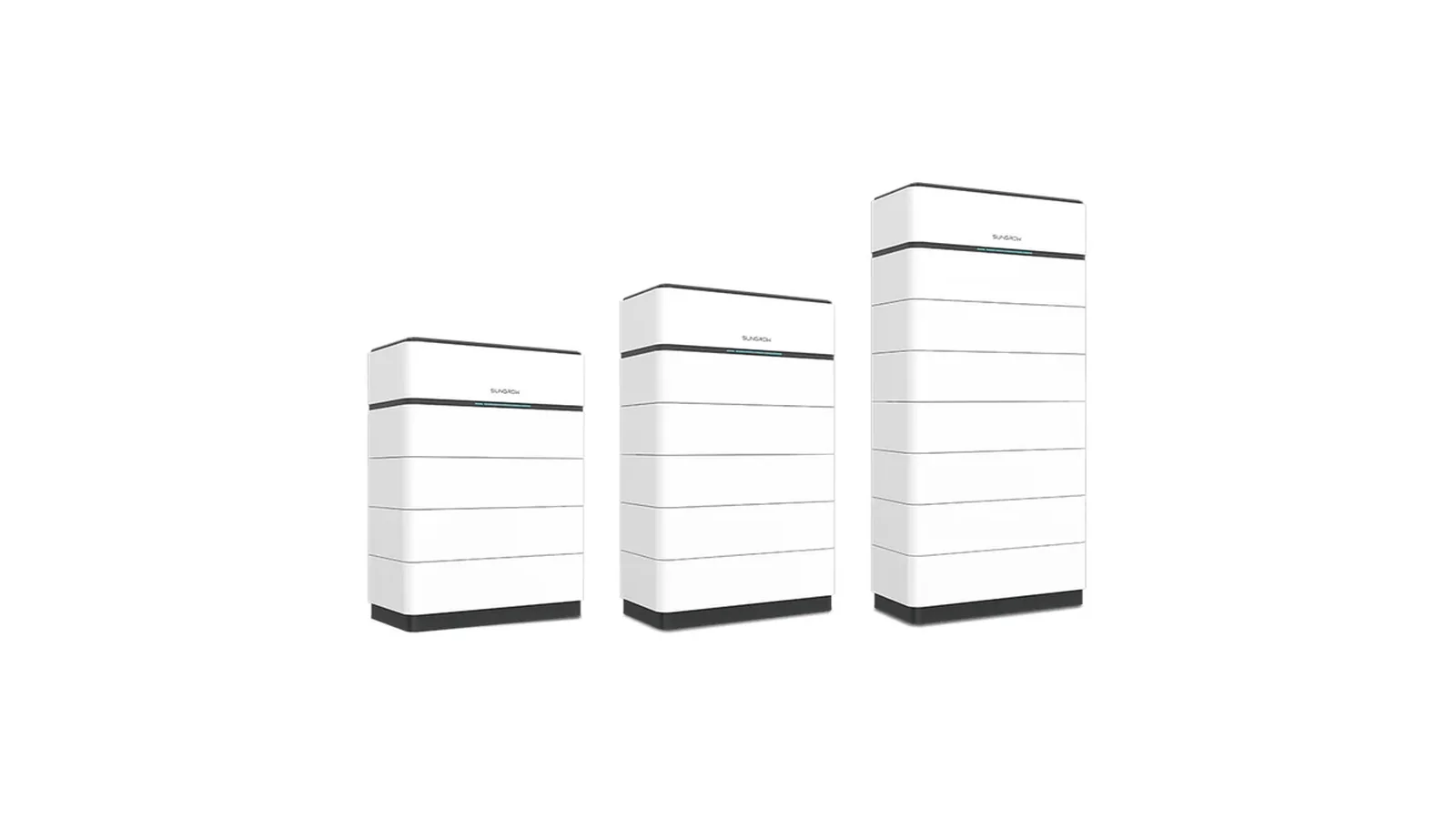
Most home batteries are just storage. They need a hybrid inverter, which is the box that moves power between your panels, your battery and your house. That inverter is bought and installed separately. The SigenStor puts both in the same stack.
It is also modular. The battery grows in 5 kWh modules. A system can start at one size and be extended later, without throwing away what you already paid for. At the top end the same platform scales to commercial sites.
Where we are coming from
We install Sigenergy, so read this knowing that. We have written what the product suits and what it does not. A battery sold into the wrong house comes back to us, and that costs more than the sale was worth.
What it does well
It grows with the house
Most people undersize their first battery. They buy for the bill they have now. Then they add an electric car or a heat pump, and the battery empties by nine at night. With a modular system you add a module. With a fixed unit you buy a second battery or live with it.
Backup that runs the house
Some batteries only back up a few chosen circuits, usually the fridge and some lights. The SigenStor supports whole-home backup, so a blackout does not mean choosing which rooms still work. Whether your house can use that depends on your switchboard, and that is a site visit question rather than a product question.
One supplier for the whole stack
When the panels, the inverter and the battery come from one manufacturer, a fault is one phone call. When they come from three, you can spend a fortnight being told the problem belongs to someone else. That matters more than most quotes admit.
Where it is the wrong choice
This is the honest limit of the product. The hybrid inverter that makes the SigenStor tidy on a new install is dead weight on a retrofit. Your existing solar already has an inverter doing that job. You would be paying for the same function twice.
For adding storage to an existing system, an AC-coupled battery is usually the better answer. AC-coupled means the battery has its own small inverter and sits alongside your current setup rather than replacing it.
The second limit is physical. The SigenStor stands on the floor or mounts in a rack, and it goes indoors. If your meter board is outside on a narrow side path with no garage, that is a real constraint. Settle it before anyone quotes you.
Ask this before you sign anything
Is my existing inverter being replaced, and am I paying for a new one inside the battery? On a retrofit quote that single question changes the value of the whole proposal.
The 2025 recall, which any honest review has to mention
In November 2025 Sigenergy Australia issued a voluntary recall covering three single-phase energy controller models, the 8, 10 and 12 kW units. The energy controller is the part that manages power flow. The battery modules themselves were not part of the recall.
The Clean Energy Regulator published the notice on 20 November 2025 and reported around 100 affected units in Australia. The notice itself sits with the ACCC on productsafety.gov.au, and the Clean Energy Council lists it under product recalls. The remedy is set out in that notice, and Sigenergy has been working with the ACCC and the state regulators on it.
What that means if you are shopping now. A recall on a specific model range is not the same as a bad product. A manufacturer that runs one properly is behaving the way you want a manufacturer to behave. What matters is whether the unit in your quote is in the affected range, and if so, what has been done about it.
Ask your installer this, in writing
Is the energy controller in my quote one of the single-phase 8, 10 or 12 kW models covered by the November 2025 recall? If it is, has the remedy in the ACCC notice been applied? Get that in writing before you accept any quote, ours included.
Chemistry and warranty, plainly
The SigenStor uses LFP, short for lithium iron phosphate. It is the chemistry most quality home batteries sold here now use. It runs cooler and ages more gently than the older nickel-based chemistries. It is not a point of difference against its main rivals. It is a point of difference against a cheap battery that does not use it.
The warranty is 10 years. Read what the warranty actually promises rather than the number of years, because they are not all the same. The questions that matter are how much capacity it guarantees at the end of the term, and who comes out if it fails.
Who we would put one in for
- A new solar and battery install, where the built-in inverter saves a box on the wall instead of duplicating one.
- A household expecting to add an electric car, a heat pump or ducted air, where being able to add modules later is worth real money.
- A property that wants the whole house backed up in an outage rather than a handful of circuits.
- A commercial site with growing load, where the same platform scales without a different product.
And who we would not. A modest house with existing solar, a fixed bill and no plans to add load is better served by a simpler AC-coupled battery. The SigenStor would work. You would just be paying for capability you never use.
How it compares to the alternatives
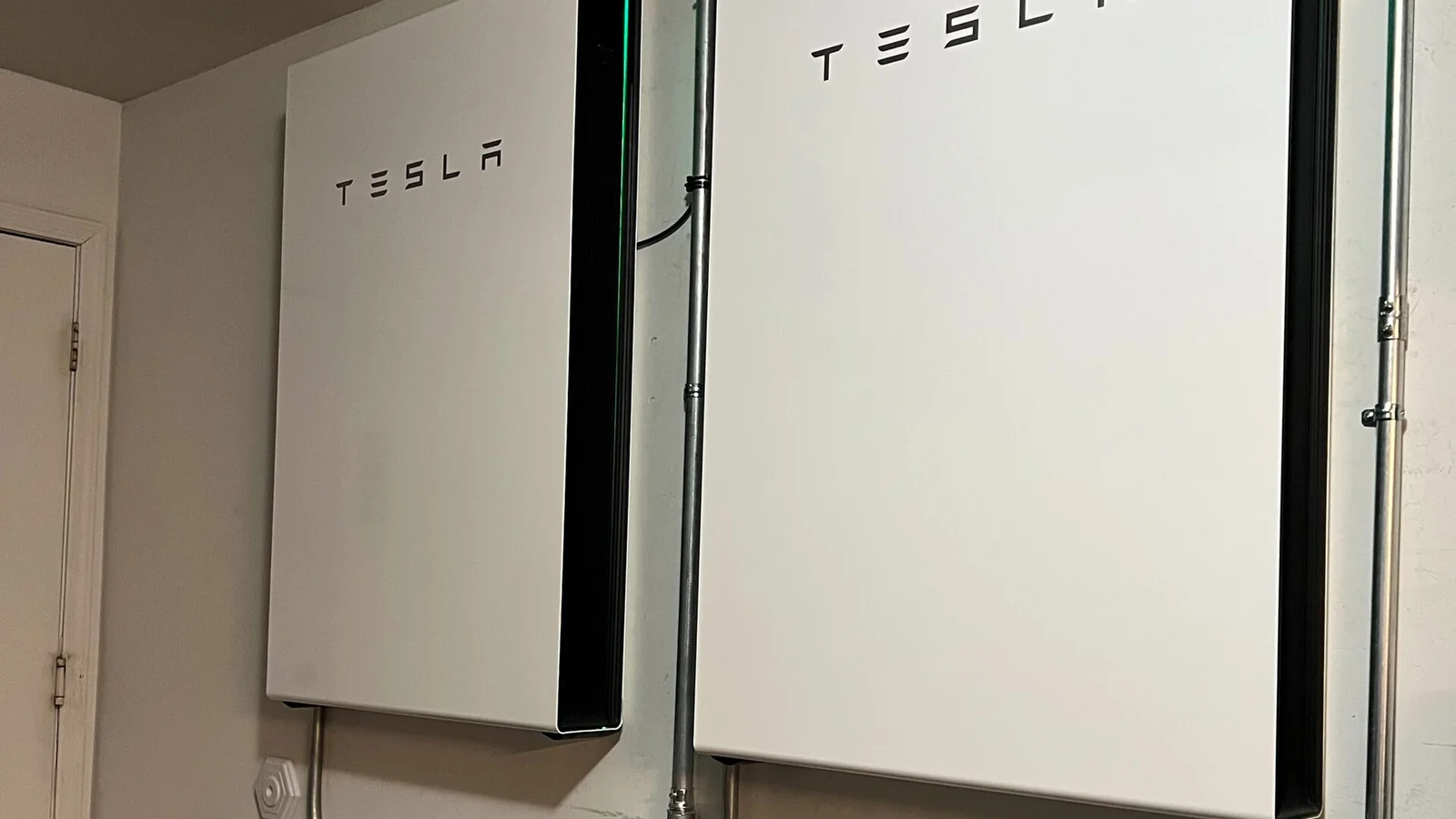
We publish a full brand comparison separately, and the short version is that these three are all credible and suit different houses. The Powerwall 3 also builds in an inverter and is strong on new installs. Sungrow covers both retrofit and new install across a wide range, and is one of the most widely fitted brands in the country.
Sigenergy earns its place when modular growth matters. If you are confident about the size you need and it is never changing, the modularity is not worth paying for. If you are not confident, it is the safest of the three to be wrong about.
Questions worth asking any installer
- 1Where exactly is this going, and have you seen the space? A floor-standing battery is a site question first.
- 2Am I paying for an inverter I already own? Only relevant on a retrofit, and it is the biggest single line of waste.
- 3What does the warranty guarantee at year ten, and who attends if it fails?
- 4What happens if I add an electric car in three years? The answer tells you whether they sized it for today or for you.
Frequently Asked Questions
The inverter is built into the SigenStor stack rather than sold separately. That is why the product is clean on a new install and wasteful on a retrofit. On the single-phase 8, 10 and 12 kW energy controllers, note the voluntary recall from November 2025. Ask whether the unit in your quote is affected.